About the programme
The Lemann Foundation Programme is a comparative research programme with an emphasis on Brazil, which generates and disseminates knowledge to improve the public sector and its associated institutions.
What can Brazil learn from other countries, and what can other countries learn from Brazil? Using this question as a starting point, the Lemann Foundation Programme examines a variety of concerns expressed by people working in and with the public sector.
Because we want to have real-world impact in Brazil and beyond, our work is defined by a dynamic interplay between research and engagement, which you can learn more about below.
About the Lemann Foundation Programme at Oxford
About the Lemann Foundation Programme at Oxford
Research
The Programme’s research investigates public policy impacts, management practices and institutions in the public sector.
We grapple with some of the hard, long-term challenges that the public sector in Brazil and many other countries face, such as the bureaucracy’s lack of diversity, especially in senior roles, and how little the civil service is typically trusted by a highly unequal and polarized citizenry – the very people with whom it seeks to co-produce many public goods and services.
The Programme’s publications include peer-reviewed research papers on affective polarisation, data systems to support the public administration of education, and AI assessment of formally approved school text books; a book on antiracist public management that has become core reading for senior public servant training; a report for the G20 Health Working Group on policy coordination and equity in the health sector; several Blavatnik School working papers; as well as case studies developed in partnership with the Case Centre on Public Leadership; and policy briefs across a wide range of policy areas including education, health, and artificial intelligence.
Related publications
Recent publications from the programme.
Engagement and community
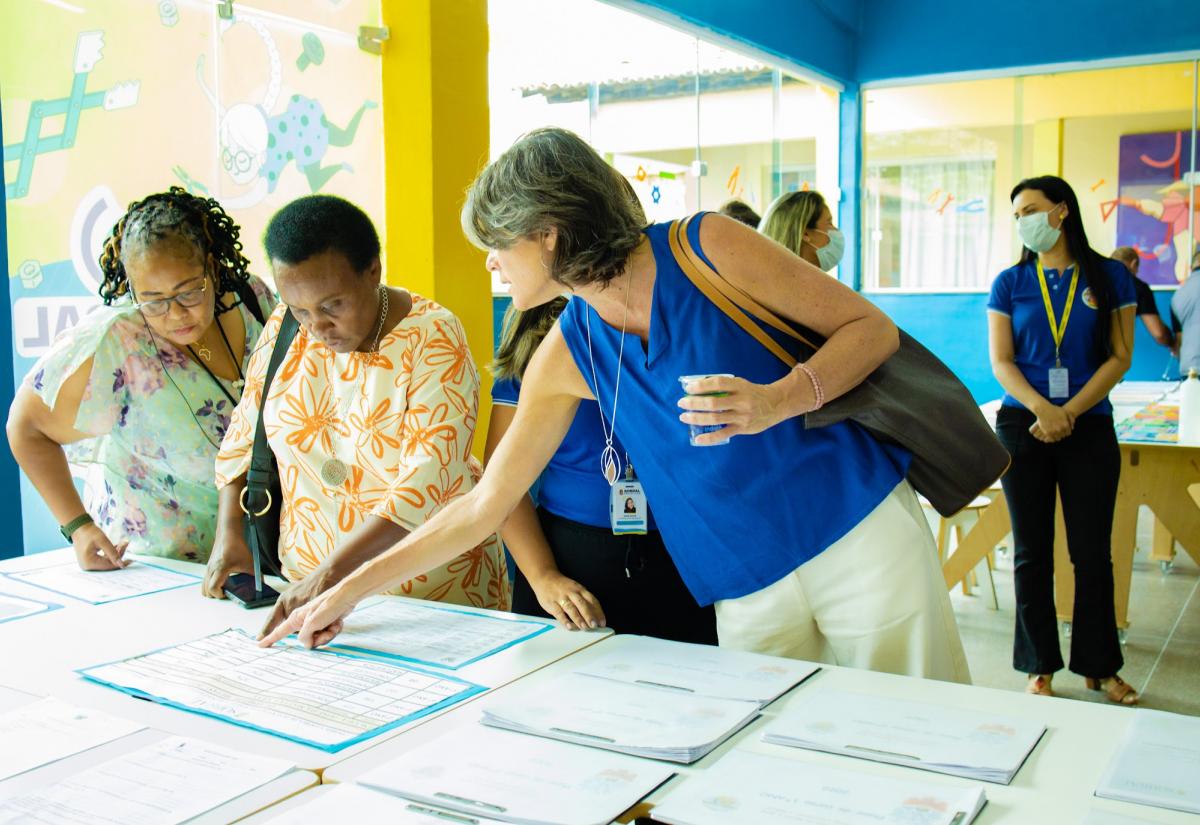
We aim for sustained engagement with a wide range of partners, and much of our research is shaped by listening. We frequently draw on our knowledge generation to engage directly with those who could most benefit from it – through training, teaching, and public engagement – and in doing so, often create further opportunities to generate fresh ideas.
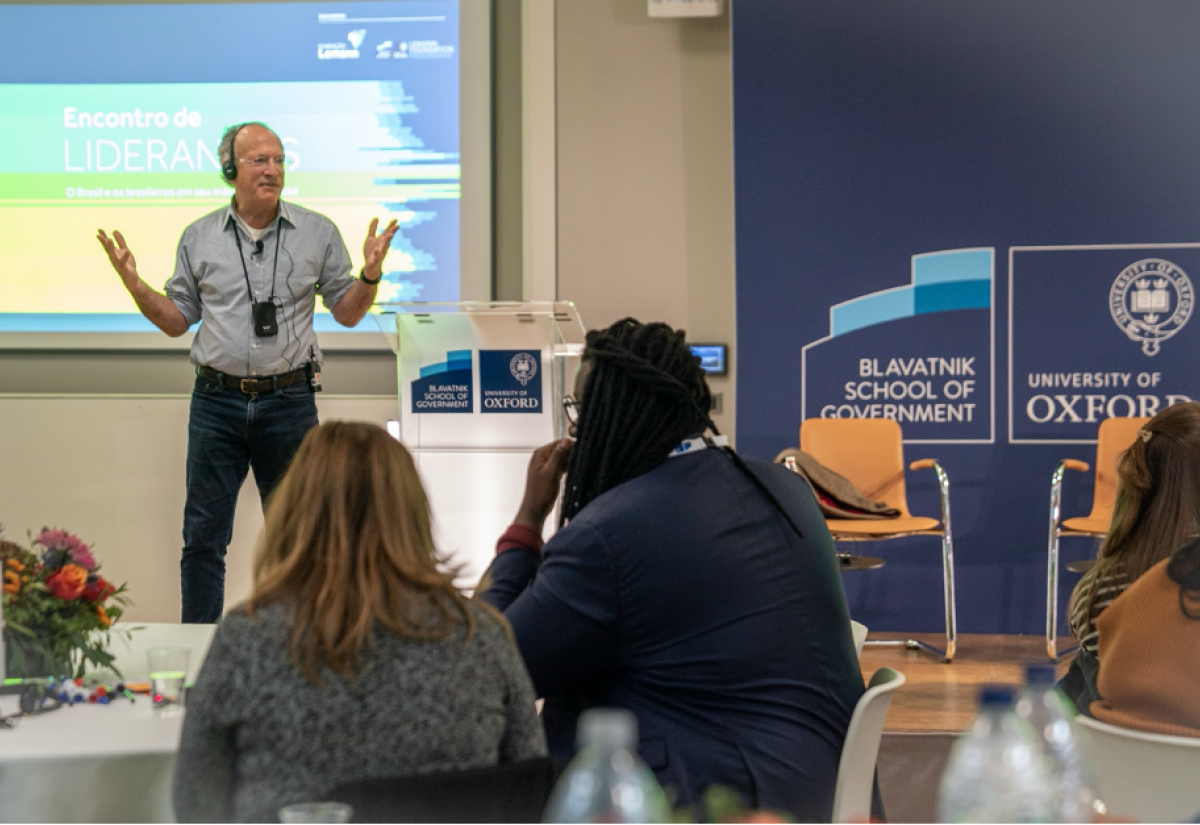
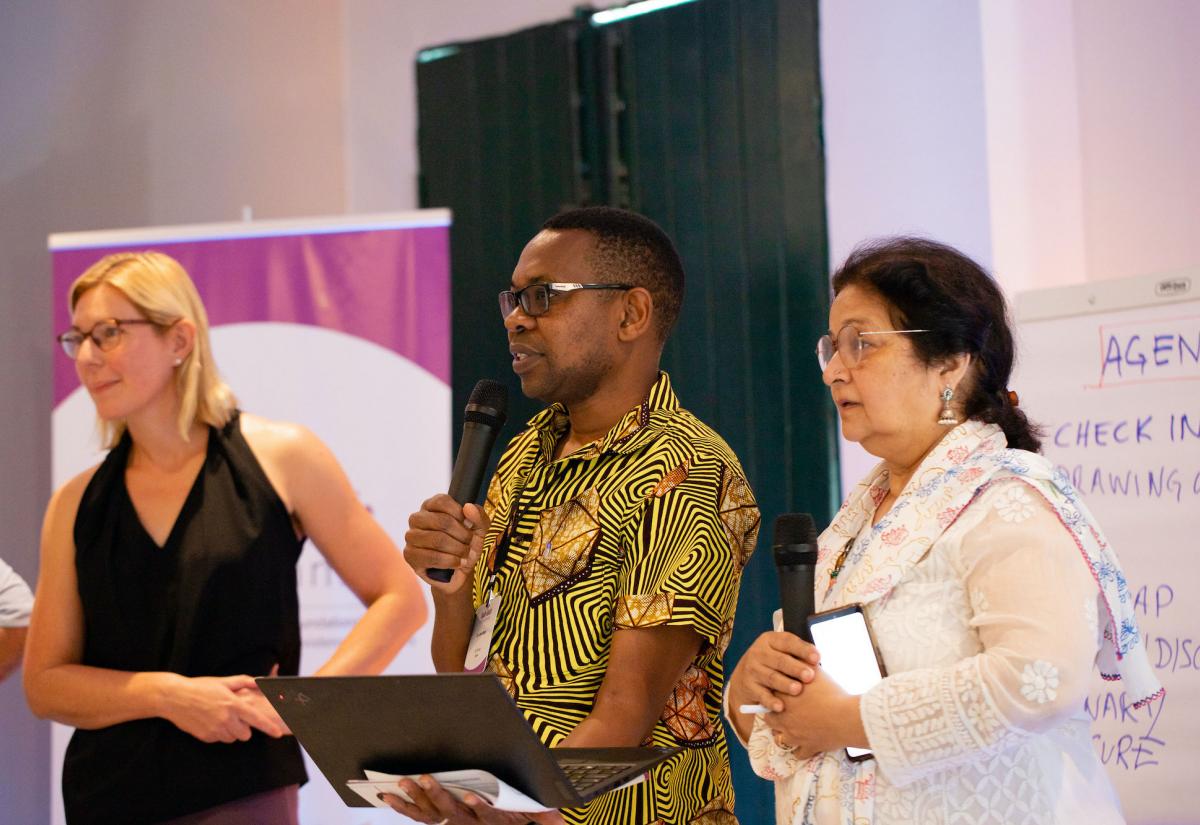
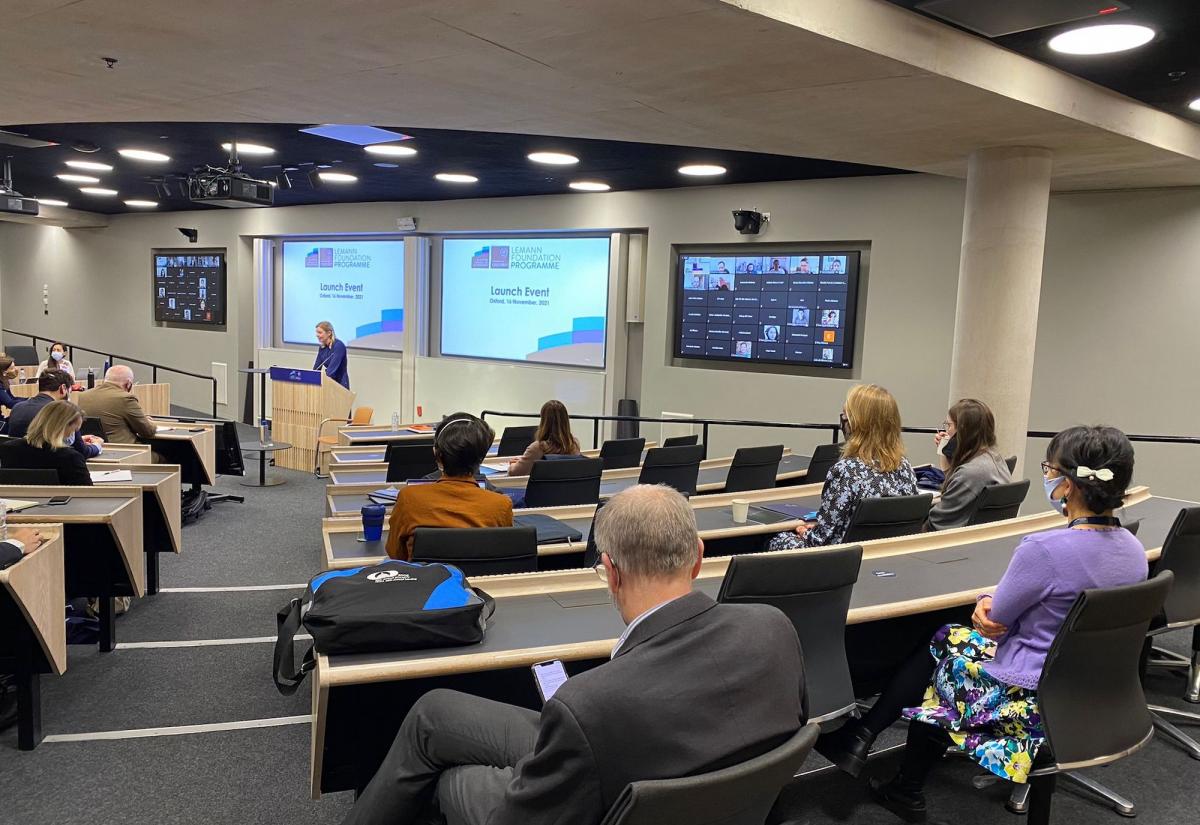
The Programme has an extensive engagement portfolio. We have convened large meetings of high-level policymakers from across the political spectrum, bringing together, on one occasion, for example, the majority of Brazil’s governors with internationally notable thinkers. We regularly hold events and special training sessions for Blavatnik School students, parties, and panel discussions open to the public on topics that range from supporting well-being through government decision-making, to public procurement, to, most recently, the upcoming 2026 Brazilian elections.
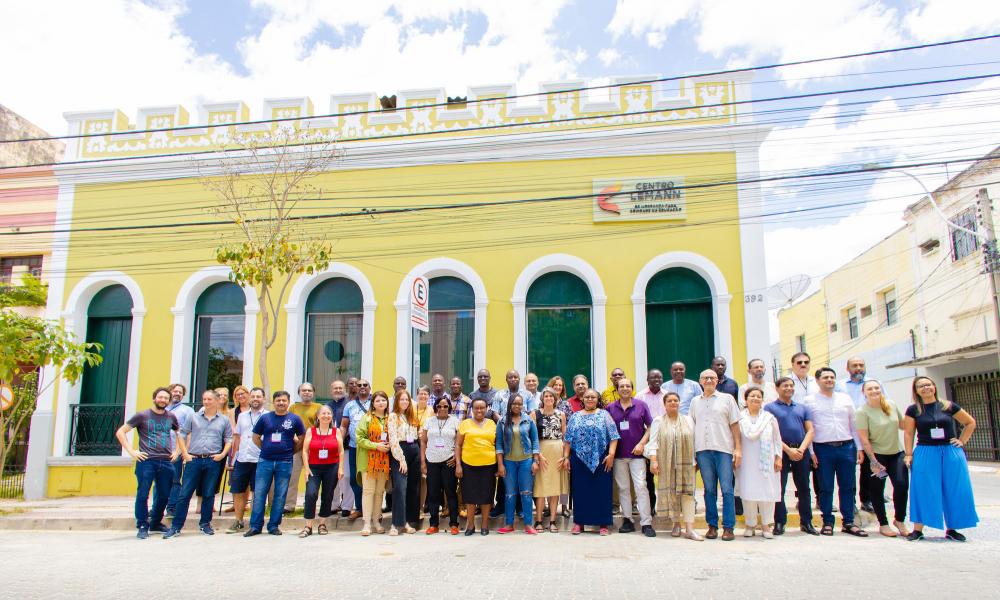
Each year we also organise a bespoke workshop for practitioners along a central theme. In 2023, we brought together state health secretaries from across Brazil and specialists in health regionalisation for a negotiation training and prioritisation workshop at FGV-EBAPE, in Rio de Janeiro. In 2024, we convened those working on AI in several public sector institutions in Brasilia, to share experiences and bring in lessons learned from other countries. In 2025, we worked with Todos Pela Educaçao to develop an immersion on driving successful education-policy implementation, bringing together a coalition of Brazilian leaders from the third sector to Oxford. And, in 2026, we held a more academic workshop to break down silos across different disciplines investigating polarisation.
Blogs
Read the latest updates on our research and practitioner insights.
-
 Blog
Blog





Visiting fellows
We receive academics and practitioners as visiting fellows to the Programme, providing an opportunity for them to spend time at the Blavatnik School, make connections in Oxford, and reflect on practices and outcomes across countries. Our fellows to date have contributed to the Programme by producing written outputs, advising on our projects, running workshops for students in the Blavatnik School, and participating in engagement activities. You can find more information about their achievements and contributions in our newsletters.
The Programme’s academic fellows to date have included Mariana Batista, professor at the Federal University of Pernambuco; Guillermo Toral, assistant professor at IE University in Madrid and MIT GOV/LAB faculty affiliate; and Gabriela Lotta and Vera Monteiro, both professors at the Getúlio Vargas Foundation (FGV) in São Paulo.
The Programme's visiting practitioners have included Leany Lemos, former Federal Secretary of Planning in Brazil; Olavo Nogueira, Executive Director of the Todos pela Educação coalition; Pedro Cavalcante, Deputy Secretary for the Coordination and Governance of State-Owned Enterprises; and Patrícia Sampaio Chueiri, a family and community physician, who researches and teaches on health systems.
The group of visiting fellows who developed the "Guide for Antiracist Public Management" came together for a hackathon in Oxford, to plan the publication’s contents, and have since individually visited. Michael França, Coordinator of the Center for Racial Studies at Insper, and Clara Marinho, Planning and Budget Analyst at the Ministry of Planning and Budget, came for fellowships in 2025. Our 2026 visiting fellow is the third author of this book, Giovani Rocha, cofounder of Mahin.
Paragraph title
South-South Education Policymakers' Library
The South-South Education Policymakers' Library is a free learning resource and podcast that will enrich conversations among educational leaders in Global South countries. We encourage you to use the resources and to get in touch.
Dialogues
Dialogues is a series of in-person events and webinars organised by the Programme with schools of government in Brazil, including CLP (Centre for Public Leadership) and Enap (the Brazilian National School of Public Administration). They discuss relevant public-sector and policy challenges that both the Programme and participating schools are working on, for the purposes of sharing insights and identifying opportunities for further collaboration and impact. The discussions are focused on presenters’ solo or co-authored work, followed by a moderated Q&A session. Please subscribe to our mailing list or email us at lemann.foundation@bsg.ox.ac.uk to receive the latest updates.
Team


Contact
Get in touch with us by emailing lemann.foundation@bsg.ox.ac.uk or sign up to our mailing list.