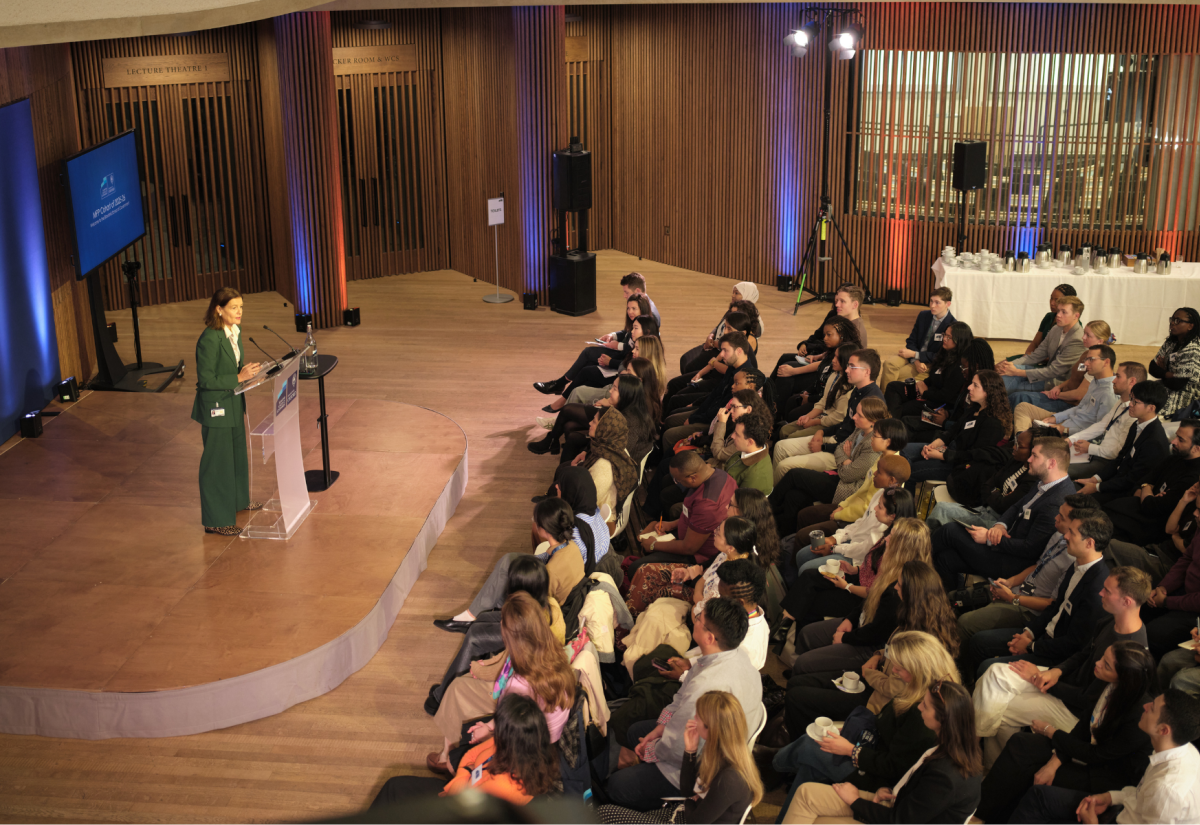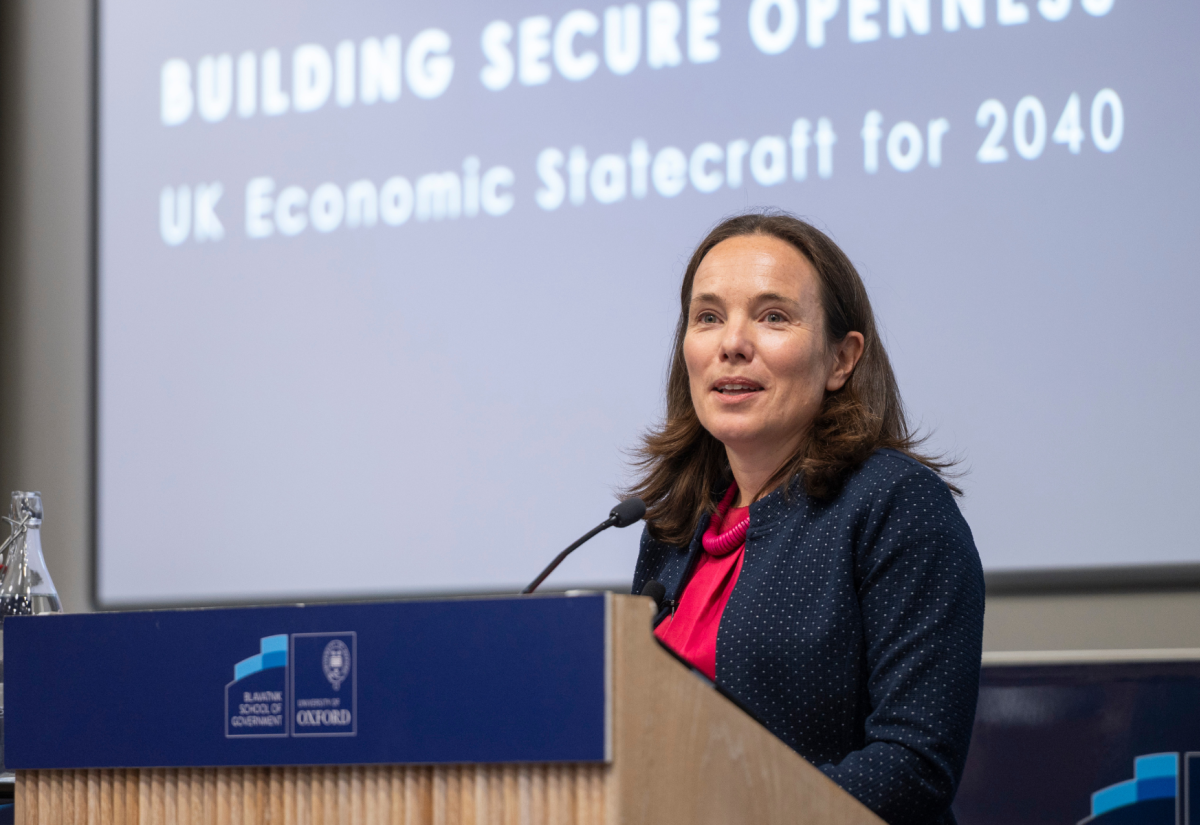
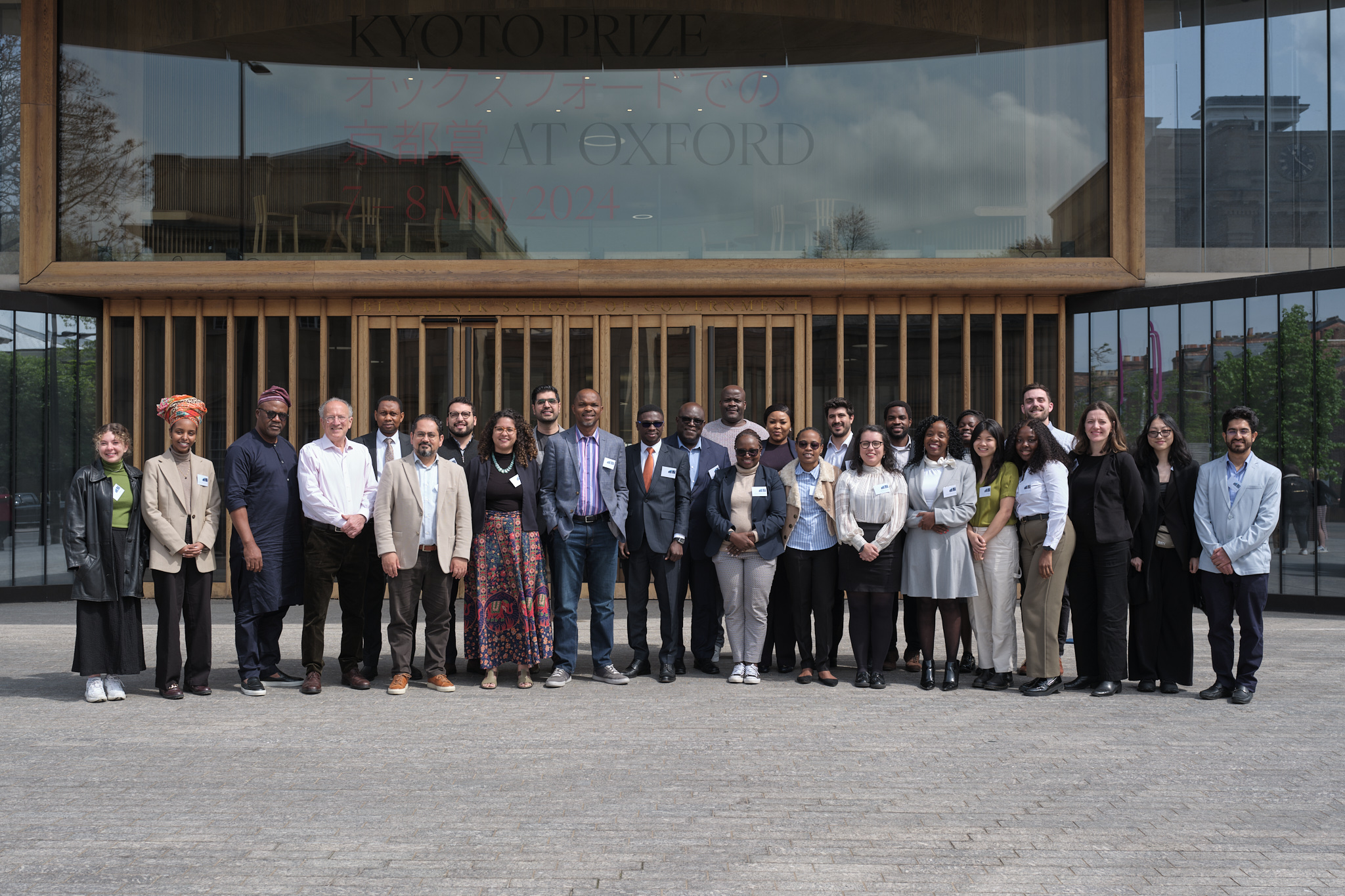
Held for the second year in a row, the Public Corruption Turnarounds programme successfully concluded after an intensive three-days in Oxford on the 1–3 May. The programme, designed by Oxford’s leading experts from the Blavatnik School, brought together public leaders and managers from countries such as Zambia, Lebanon, Colombia and Canada, all united by a common goal: to eradicate endemic corruption and foster cultures of integrity.
It has been a thrilling experience being on the course! From the first evening I was kept at the edge of my seat with the conversation and experience sharing. It was so practical to me and I could relate with all the sessions. I would highly recommend the course to any leader yearning to turnaround or contribute to turnaround public corruption in their institution.
Monica Chipanta Mwansa, Deputy Director General, Anti-corruption Foundation, Zambia
During their time on the programme, the participants engaged in presentations, discussions and case studies from various global contexts, fostering a collaborative and active learning environment. Armed with the tools and confidence to tackle corruption, participants left empowered to promote integrity in in their own countries and public service organisations.
The Public Corruption Turnarounds programme is designed to equip public leaders and managers from any country and organisation with the practical skills and strategies required to replace endemic corruption with cultures of integrity. Applications for the 2025 cohort will open soon: register you interest or discover more information about the programme.
Recent news