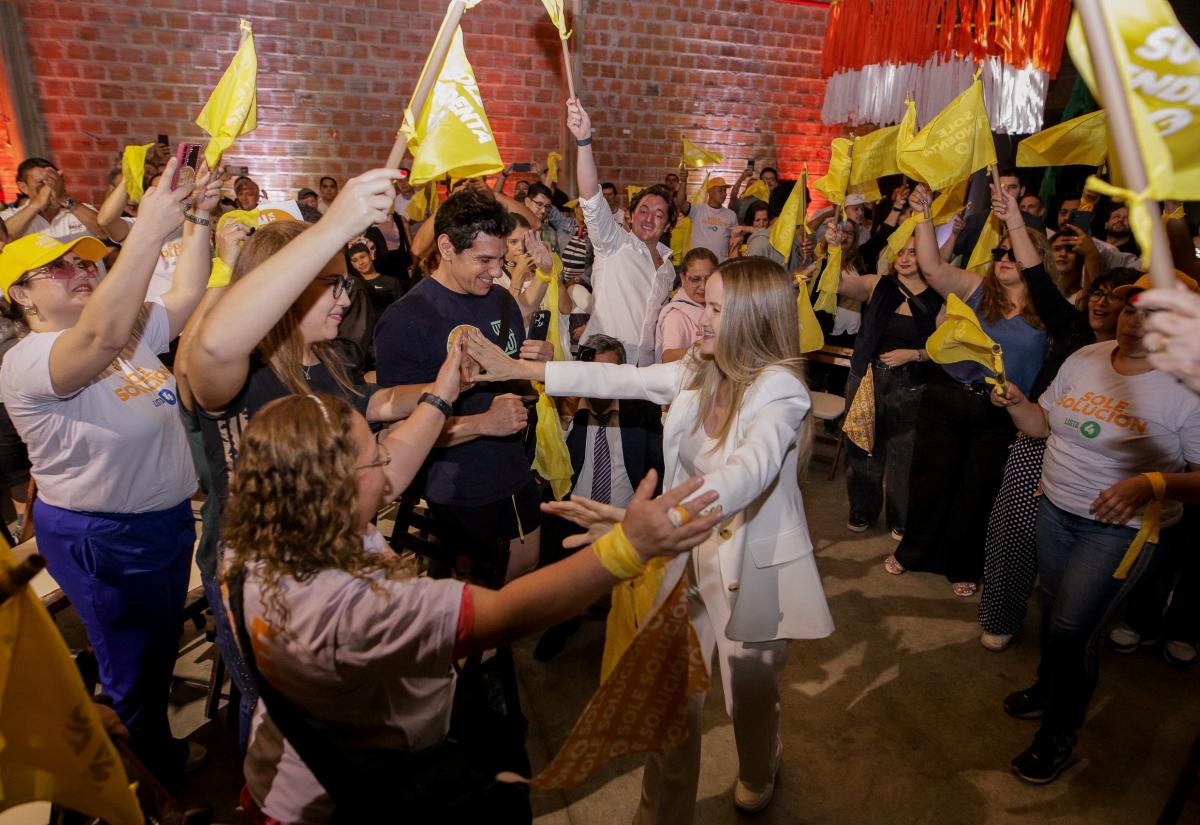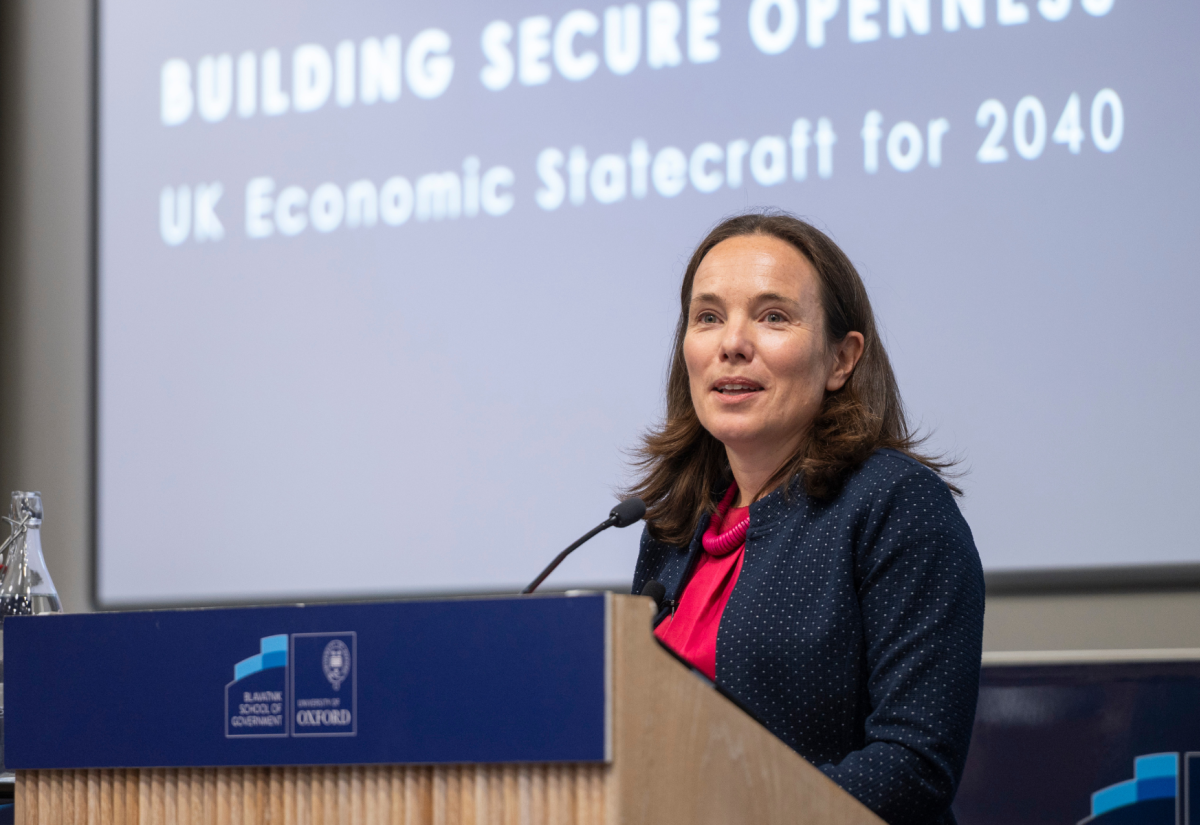
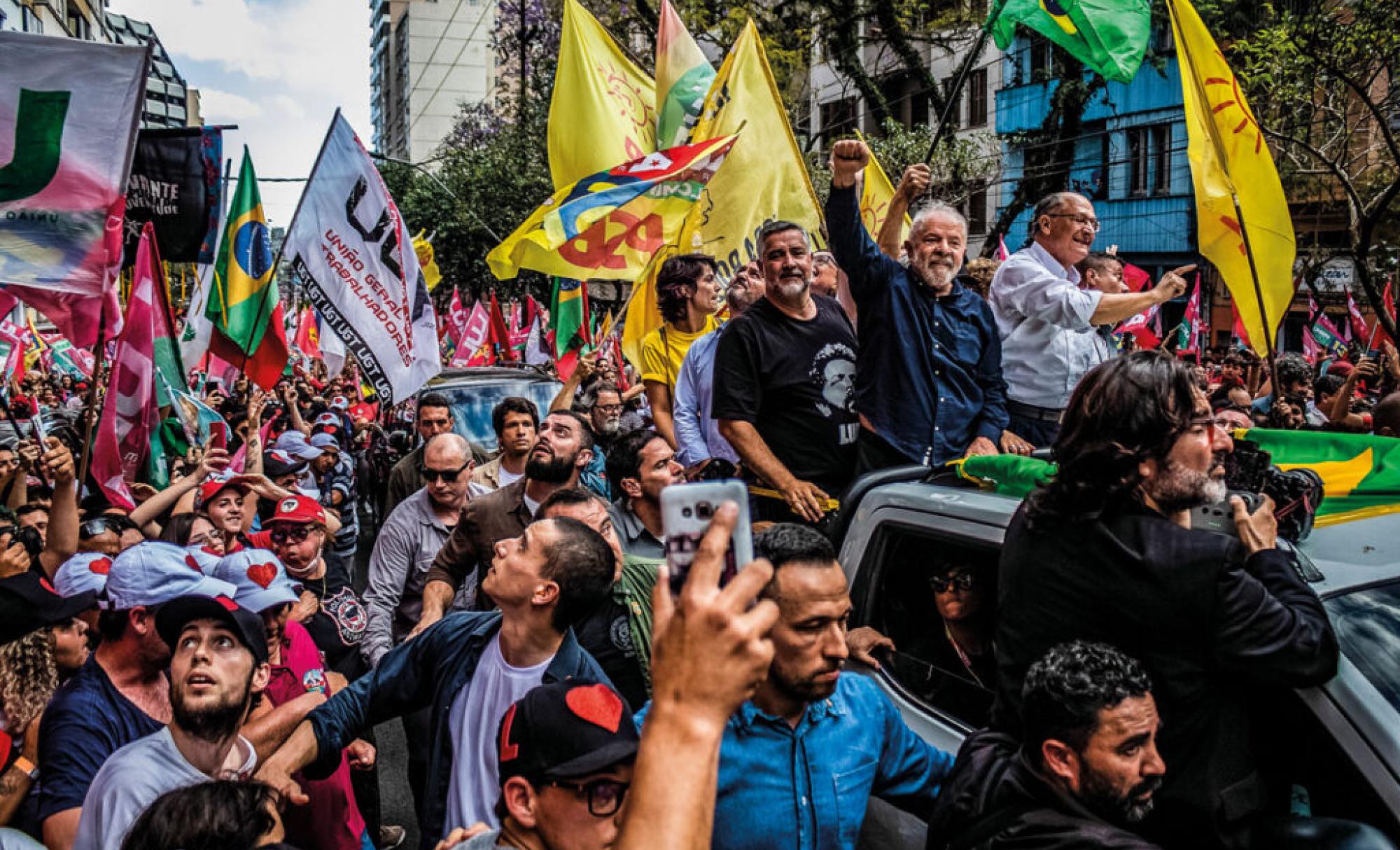
Dislike of those of those whose political views you disagree with intensifies arounds elections, but can be combatted with specific facts, shows new work based on Brazilian politics published today in Nature Communications, with Anna Petherick as lead author.
A team of Brazilian and UK researchers found that people vastly misjudged what those with different political views thought about key controversial issues. When privately shown the group’s views were closer to their own that they had imagined, their dislike of that group lessened.
The researchers, led from the Lemann Foundation Programme at the Blavatnik School of Government and the Brazilian School of Public and Business Administration (FGV-EBAPE), have spent over four years tracking how Brazilians of different political persuasions feel about each other. The project, which continues to the present day, examines the strength of sentiment between political groups (known as ‘affective polarisation’).
“Affective polarisation among ordinary people matters in various ways”, says lead author Dr Anna Petherick, Associate Professor in Public Policy at the Blavatnik School. “People who dislike those in other political groups tend to mis-imagine the beliefs of the other group. They avoid romantic relationships with them, sometimes avoid living near them, and even show bias in decisions like hiring. En masse, these tendencies can drive deep divisions in society, undermine democratic norms, and even increase support for political violence. Furthermore, if different groups struggle to cooperate and if they believe that the starting points for compromise are further apart than is really the case, problems that require working together are going to be harder to solve.”
Affective polarisation has mainly been studied in contexts where the political groupings are clear, but the team examined Brazil, where political groups are more ambiguous: the congress is politically fragmented; politicians often switch parties; and parties themselves do not always have consistent policy positions.
Feelings also run high. In the 2022 presidential election, the incumbent Jair Bolsonaro lost to Luiz Inácio Lula da Silva (‘Lula’). Lula took office on 1 January 2023, and a week later rioters stormed key government buildings in the capital, in events echoing those of 6 January 2021 in the US.
Over five surveys running from April 2022 to February 2023, the researchers measured people’s liking of, and perceptions of the intelligence of, those from different political groups. They found that negative feelings got more intense nearer the election, peaking around the election and then reducing after it.
They also undertook experiments to see if correcting misperceptions around group beliefs changed people’s feelings. They laid out a set of policies around controversial issues – abortion, Amazonian deforestation and affirmative action – and asked people to estimate what proportion of those in different groups agreed with this policy. People answered inaccurately about the opposing group, usually vastly overestimating how many of that ‘outgroup’ supported policies they felt were morally wrong. Researchers then gave them the actual numbers from a previous survey round.
One example was on abortion, which is currently illegal in Brazil except in very specific circumstances. Supporters of Bolsonaro (‘bolsonaristas’), who are generally anti-abortion, were asked what proportion of supporters of Lula (‘lulistas’) favoured the legalisation of abortion in the first three months of pregnancy, and estimated that over 81% did. In fact, the figure was just 46%. Correcting the bolsonaristas’ misperception on this highly emotive issue softened their feeling towards lulistas.
This pattern was consistently repeated across the experiments: those whose misperceptions about the ‘outgroup’ on issues felt to be morally important had been corrected prior to stating their feelings towards that group reported less dislike than a control group who received no such correction.
“The encouraging finding for governments is that affective polarisation isn't a fixed feature of a population – it rises and falls, and it responds to information,” says coauthor Rafael Goldszmidt, Associate Professor at FGV-EBAPE. “When we showed people accurate figures about what the other side actually believes, their dislike of the other side softened. Correcting the caricatures people hold of one another takes some of the heat out of the divide.”
'Dynamics of sociopolitical polarization and effects of misperception-correcting information around the 2022 Brazilian elections' is published in Nature Communications on 5 June 2026.
Recent news