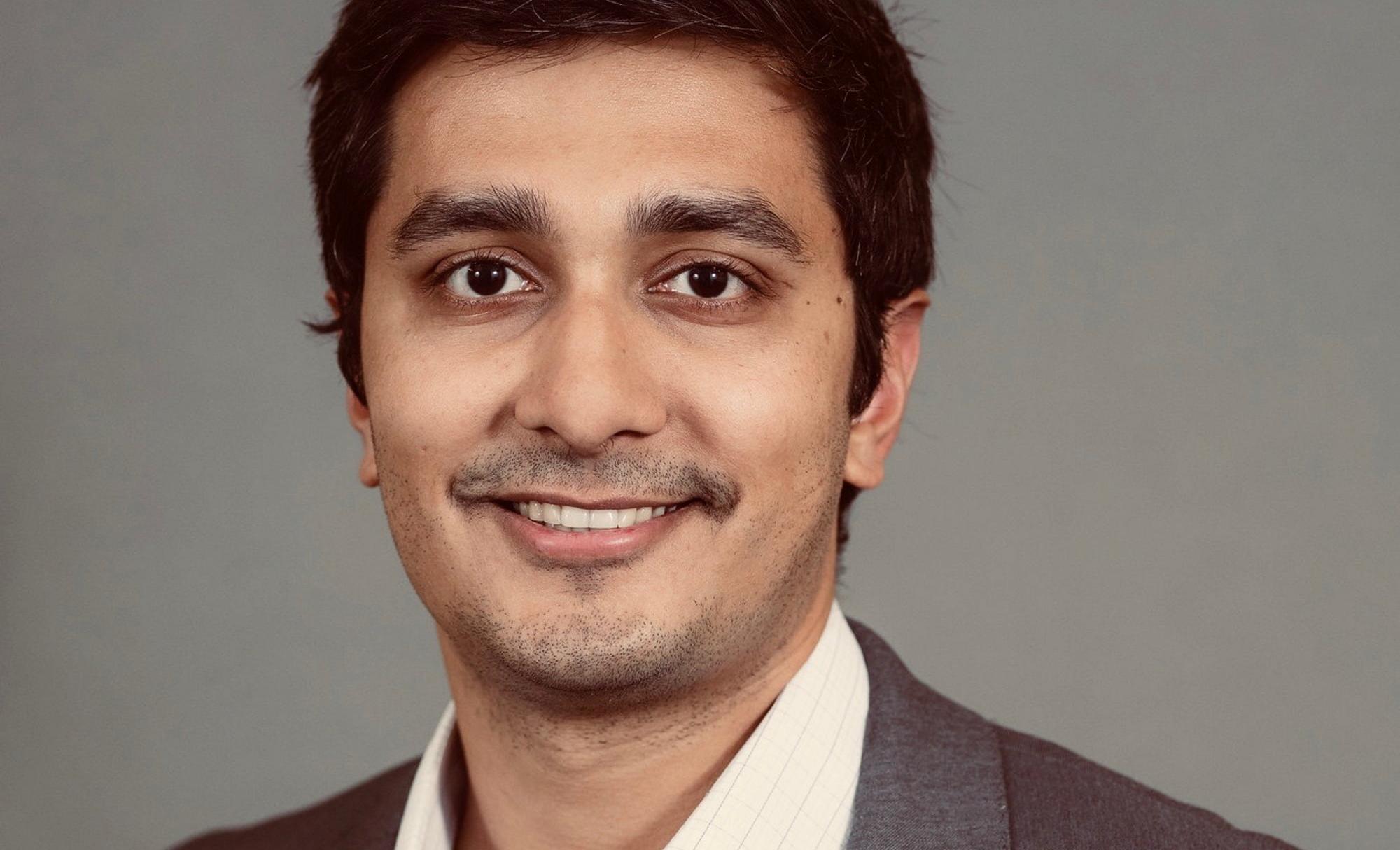
For his work on a nonprofit addressing the gigantic bottleneck in India's justice system, DPhil student Utkarsh Saxena has been named by TIME as one of the 100 most influential people in Artificial Intelligence in 2026, alongside the biggest names in AI in the world.
As Utkarsh's TIME profile explains, nearly three-quarters of India’s prisoners are unconvicted, and more than 50 million cases are pending. The reason is partly administrative: outside major cities, many judges still record record testimony by hand, then clerks copy it out by hand again.
Addressing the administrative aspect of the backlog, Utkarsh's Adalat AI is a legal tech nonprofit training its speech recognition models specifically on Indian languages, dialects, and legal jargon. It now runs in 5,500 courtrooms across 11 states, including Kerala, which mandates it for recording witness testimony statewide; Sikkim, which uses it to require paperless filing; and Andhra Pradesh, which will require Adalat across its entire courtroom workflow from October.
Utkarsh's DPhil research at the Blavatnik School uses techniques from development economics to examine the impact of laws, court judgements and weak court capacity in India. Since October 2022, Utkarsh has been working with Karthik Ramanna and Julien Labonne at the School and Simon Quinn at Oxford’s Department of Economics on research applying traditional methods in economics and development to legal settings. Adalat AI spoke to that interest and has now become the main focus of his doctoral research.
Utkarsh says: "So much of the AI conversation is about GPUs, chips, and frontier models. Public institutions and the Global South rarely get the same attention. It’s great to see that work get noticed."
Recent news