There are currently one billion school aged children around the world, and an overwhelming number of them live in countries grappling with the consequences of a warming planet. For this generation, the climate crisis is a present-day emergency resulting in impairments that will last their entire lives. A lack of education about the best solution to this issue compounds the injustice current youth are confronting.
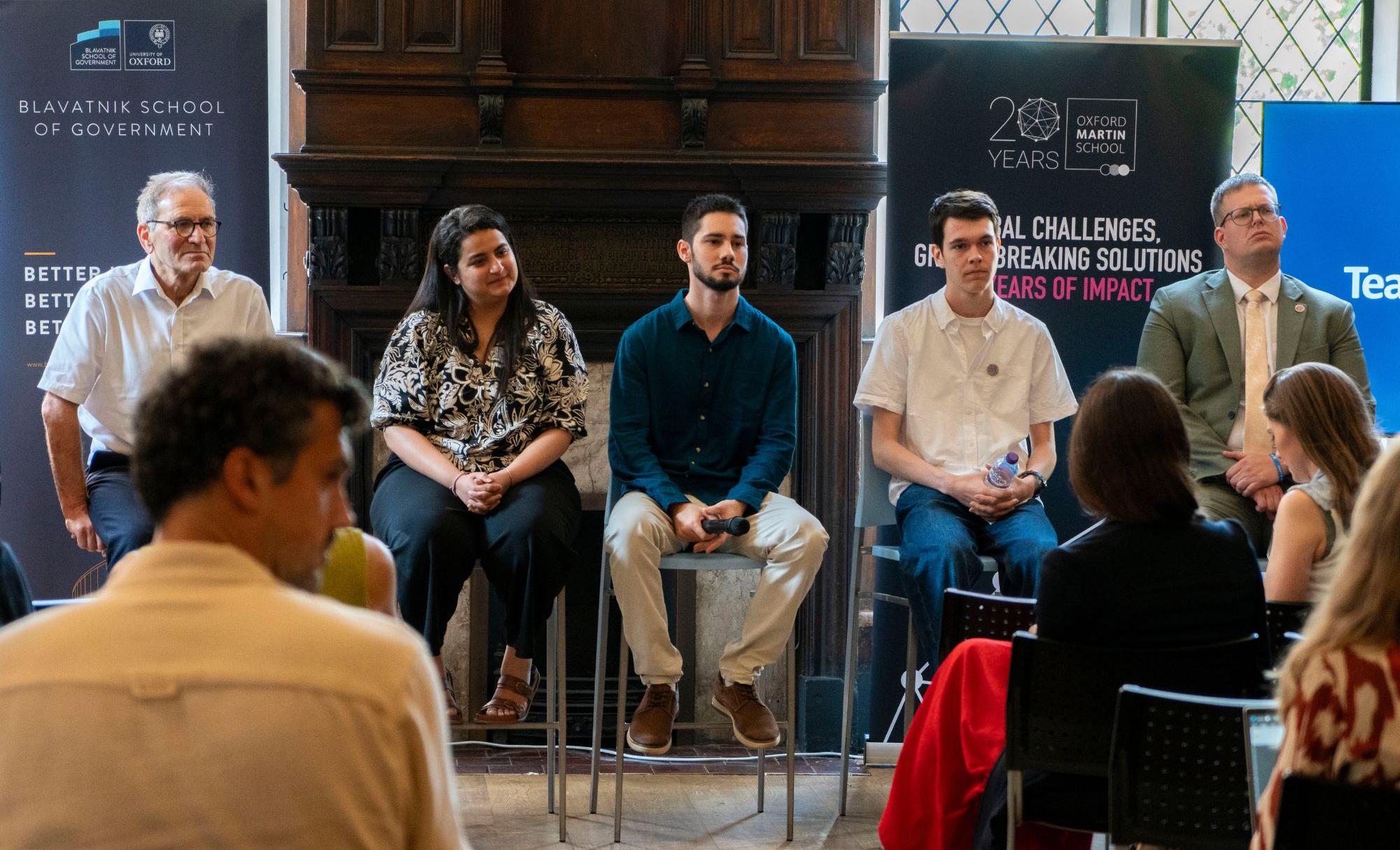
This issue was the focus of an event hosted by The Children and Climate Initiative, based at the Blavatnik School of Government, and NetZero Ed, an AGILE Initiative project, as part of Oxford House at London Climate Action Week.
The two projects collaborated to present their research and lay out the key considerations for why intergenerational justice is such a key issue within climate policy and what challenges the education sector faces when attempting to ingratiate the topic of Net Zero and climate change into school curriculums in the UK and abroad.
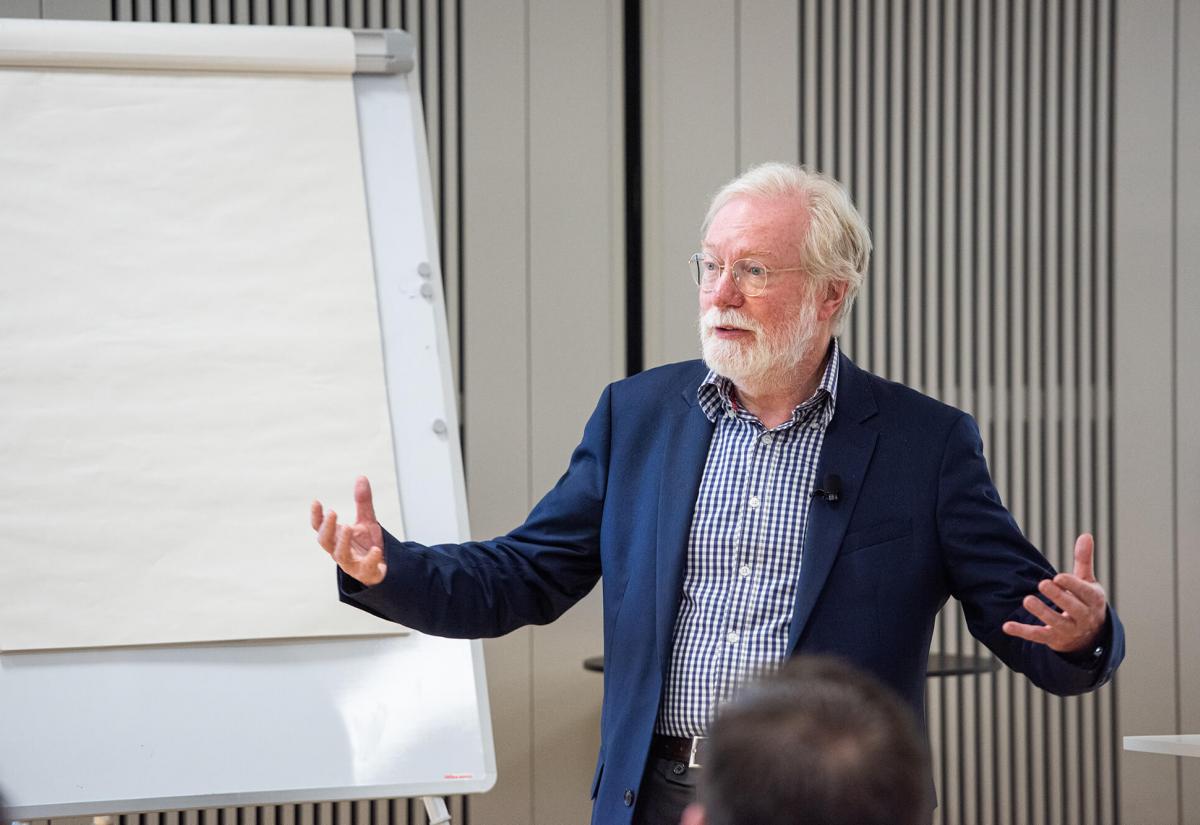
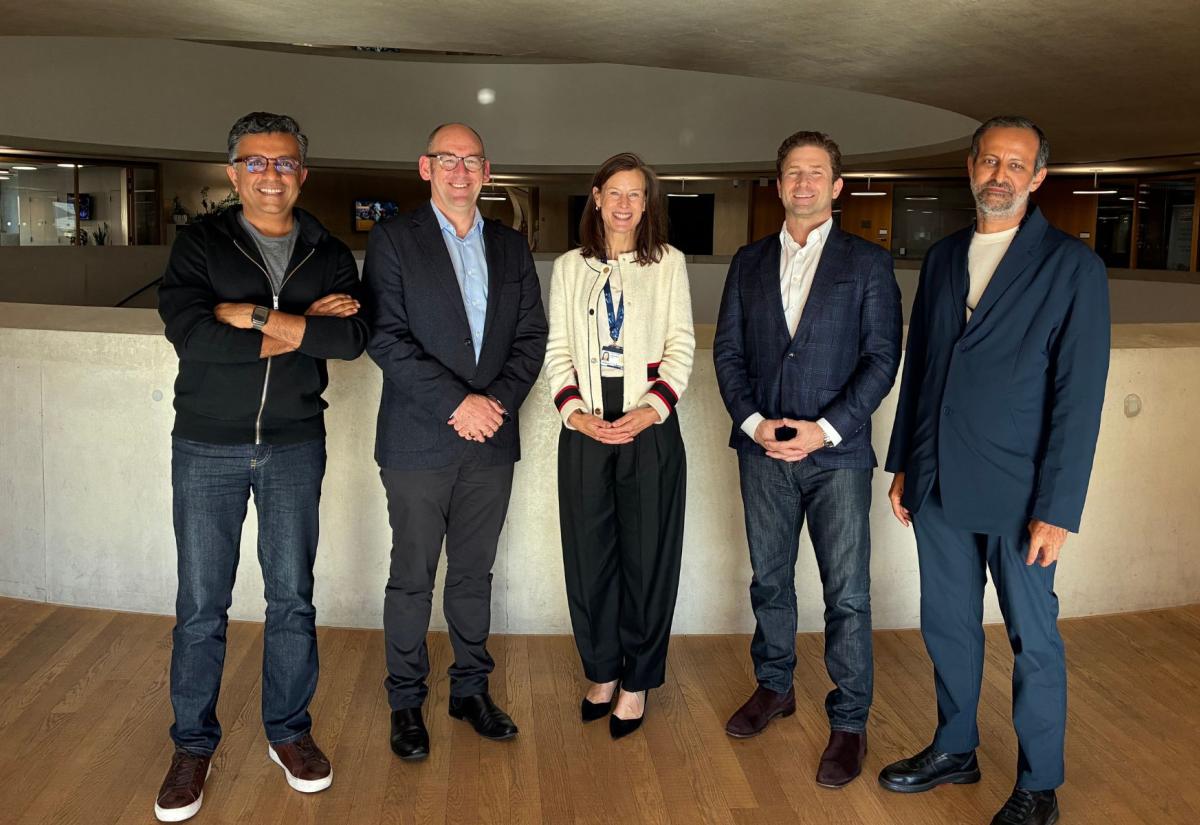
The session included presentations from Professor Alan Stein, Director of the Children and Climate Initiative; Leonardo Ferrera, International Center for Equity in Health, University of Pelotas; Ashima Gulati, Master of Public Policy alumna; Gordon Carrothers, The Two Counties Trust; and Leo Hawkins, student and member of the Net Zero Education Youth Advisory Board.
The Q&A discussion focused on the unique challenges of facilitating agency for young people in different countries whilst not overburdening them with climate anxiety. Panellists highlighted the importance of localising climate storytelling, making the topic relevant to the lives and experiences of children so they can connect with it in meaningful ways. By framing the topic in terms of restoration and corrective action, and showing children what steps they can take to make a difference, the panel discussed how young people can develop a sense of agency without feeling as though they need to solve the climate crisis single handed.
The discussion also explored how climate education presents additional challenges in countries outside the UK, particularly low- and middle-income countries. Panellists noted that the climate crisis is most often understood through the lens of the Global North and international discussions and policy development most often occur in English. They highlighted that translating the work, so it has relevance for communities with vastly different lived experiences, unique challenges, and for whom English is not their first language requires local knowledge, community connections, and a nuanced understanding of regional language dialects.
Ashima Gulati, MPP 2024, reflected on the challenges of climate education in India, saying:
“How we talk to children about climate change and their environment shapes the way they respond to this challenge. To do this in a way that doesn’t overwhelm them and, instead, gives them a sense of agency, it is crucial that we make climate education local, participatory and rooted in children’s lived experiences. We need to create space for children to understand and articulate their own experiences, questions and concerns, and to have a voice in the conversations that affect their lives, while recognising that the responsibility for addressing the crisis remains with adults and institutions."
To learn more about these projects, you can follow them both on LinkedIn at the Children and Climate Initiative and NetZero Ed. If you’d like to get in touch, please email sean.marshall@bsg.ox.ac.uk.