

Across party lines: what still holds women back in British politics
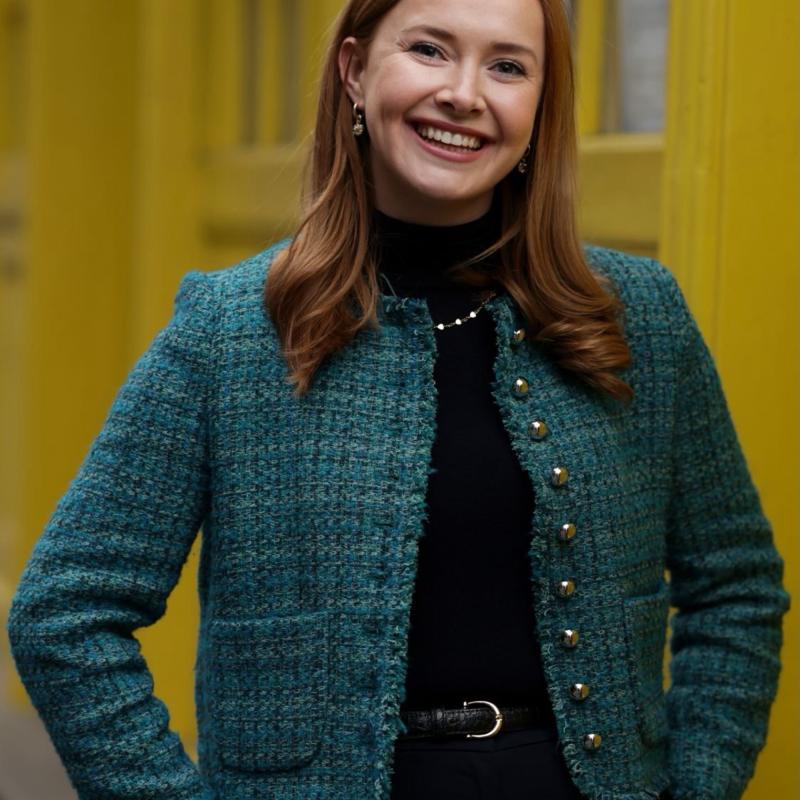
Following International Women’s Day, Master of Public Policy students Alice Hopkin and Brontë Horsfield reflect on the shared barriers women face in public life and why that matters for democracy.
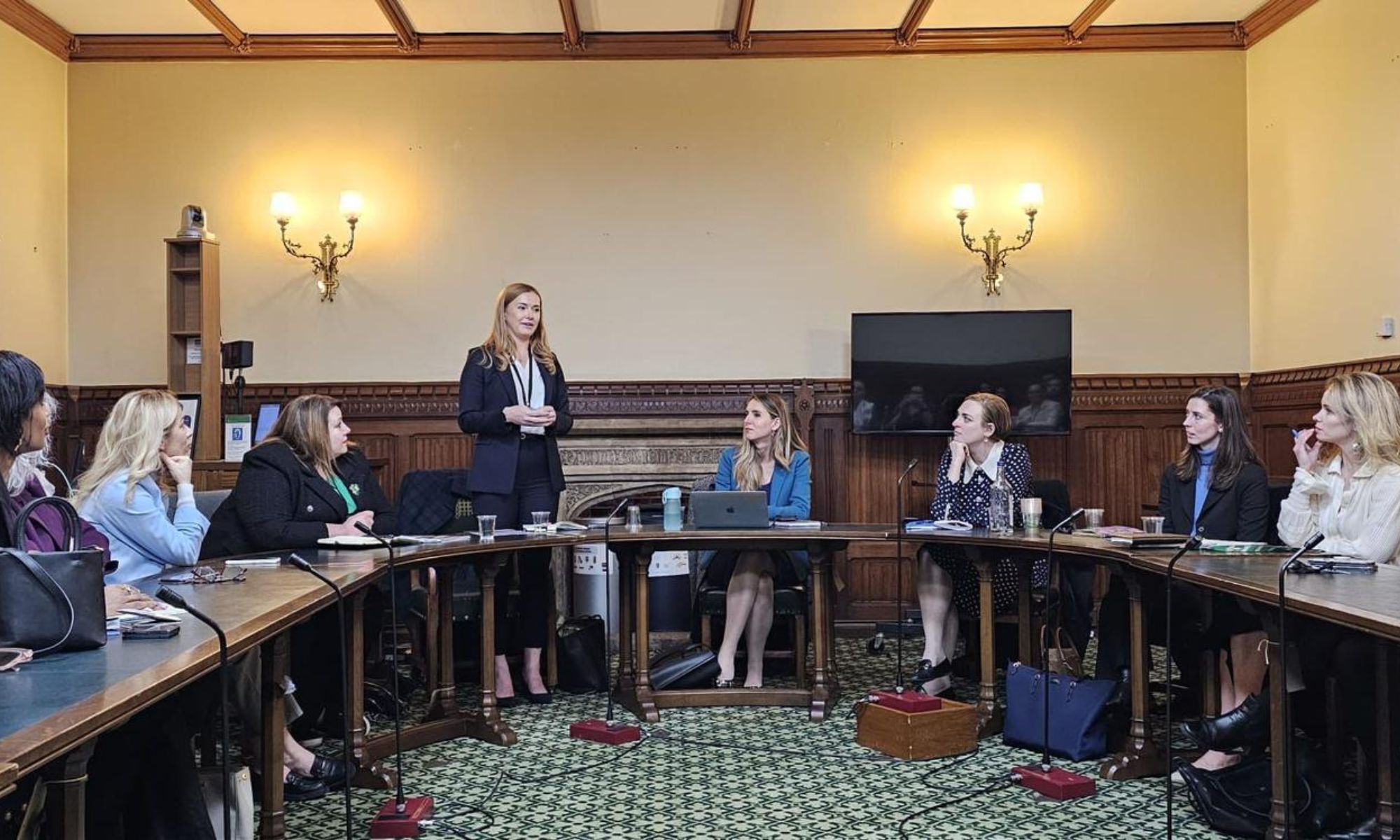
We are members of different political parties in the United Kingdom. We have campaigned for opposing policies, argued for different visions of the country, and at times found ourselves on opposite sides of difficult debates in our classes.
Yet following International Women’s Day, we have found ourselves arriving at the same conclusion: too many features of political life still work against women.
We are very aware of the fortunate position we are in compared to women across the globe facing far greater struggles, and the UK has made undeniable progress towards a more equal political system. Women make up a historic 40% of MPs in the House of Commons, we have had three female Prime Ministers, women have now held all Great Offices of State, and we now have our first female Cabinet Secretary heading up the Civil Service. Yet despite these successes, clear barriers prevent competent and passionate women from participating in politics.
The reality of balancing politics with care responsibilities
The nature of the job does not reflect the realities of many women’s lives. Evening meetings and votes, weekend campaigning and the expectation of constant availability can quickly narrow the field of people who feel able to put themselves forward for senior roles or elections.
The average age of MPs in this Parliament is 48 – the period of life when many women are balancing senior professional responsibilities with family care, whether for children or ageing parents. In dual-professional households, the demands of political life can collide with childcare logistics that still fall disproportionately on women. When opportunities for promotion arise, it is too often women who feel compelled to pause or step back.
Practical reforms could make a huge difference. More predictable sitting hours, properly structured parental leave, and stronger support for MPs with caring responsibilities would all better recognise the realities of modern working lives.
When health becomes an invisible career barrier
Women’s health is still too often treated as a private issue rather than a workplace reality. Pregnancy, fertility treatment, miscarriage, menopause and chronic conditions such as endometriosis, can all coincide with pivotal career stages which prevent women from giving their full attention to their professional commitments.
While many men face decades of uninterrupted availability, expecting the same of women risks losing them when their experience and judgment are most valuable.
Addressing this requires practical change: clearer workplace policies, flexible working arrangements, and open recognition that women’s health is not a personal inconvenience but a normal part of women’s lives. Until our political institutions adapt to this reality, talented women will continue to face unnecessary barriers to staying and progressing in public service.It’s their knowledge of how our systems let women down that will help remove barriers for generations to come.
Abuse is not an occupational hazard
For those who do step up, the personal cost can be high. A report by the Inter-Parliamentary Union found that 82% of women in politics had experienced psychological violence, while 44% had received threats of physical harm. The rise of social media has only intensified this. Women politicians are 27 times more likely than their male counterparts to face online abuse, with black women receiving 84% more abusive tweets than white women. Such abuse is far from being a routine ‘occupational hazard’. The murder plot targeting Rosie Cooper and the harrowing killing of Jo Cox are stark reminders that political abuse can carry the gravest of consequences.
Scrutiny rarely stops at a female politician’s record or ideas. Clothes, hair and tone of voice can all become subjects of media commentary in a way that male politicians rarely face.
When former Prime Minister Theresa May sat down for tense Brexit talks with Scotland’s first minister Nicola Sturgeon, the following day’s headline in the Daily Mail read: “Never mind Brexit, who won Legs-it?”. This was not an isolated incident. From the moment May entered Downing Street, the British press was fixated not on her policies, but on her choice of footwear.
Alongside such coverage runs a set of tired clichés, with women in politics cast by the media as stern head girls and schoolmistresses, nurses and nannies, or even as dominatrixes. Even at the highest levels of office, a woman’s credibility is too often filtered through her femininity.
None of this is inevitable. Tackling violence against women in politics requires better monitoring and reporting of abuse, alongside clearer guidance for police, prosecutors and judges, so threats and harassment are treated with the seriousness they deserve.
But the media also has a role to play. Editors and broadcasters must move beyond the habit of scrutinising women’s appearance and instead focus on holding politicians to account for their ideas and decisions. Until both institutions and the press confront the misogyny embedded in political culture, women in public life will continue to face barriers rarely encountered by their male counterparts.
What this costs democracy
Constant harassment and critique have consequences. Several female MPs cited it as the reason for standing down at the last General Election. When abuse is relentless and personal, it deters talented women from standing. In a democracy already struggling with trust and participation, that is a loss we cannot afford. A healthy democracy depends on broad participation. International Women’s Day is a timely moment to acknowledge that public service should not demand a higher personal cost from women than from men. If we want the next generation of women in every party and community to step forward, we must continue to take down the barriers that stand in our way.
Across party lines, that is something worth working on together.