
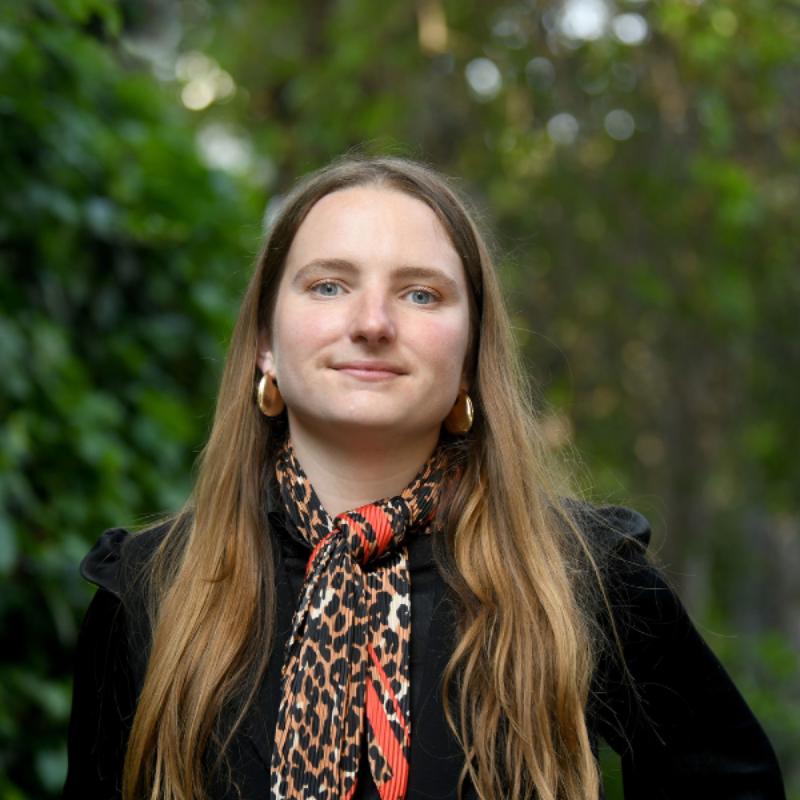
Before coming to Oxford, Trinidad Pacareu Silva had established a career as a lawyer before becoming a policymaker in Chile’s Education sector.
“I became interested in how to design systems and legal frameworks that actually helped people working on the ground, rather than creating barriers”, she shares, “good policymaking requires effective legal frameworks and policies that are built from the bottom up, responding to real needs”.
Trinidad became Chief of Staff in the Chilean government’s Early Childhood Education Department, and later think tank Centro de Estudios Públicos, where she focused on improving the design of the public education system. Most recently, she founded the Mipacareu Foundation, where they have begun implementing social-emotional programmes in schools.
What drew Trinidad to the MPP was a desire to strengthen her policy skillset. “I knew I needed additional skills, especially in negotiation and evidence-based policy,” she explains.
She was also drawn to the School’s international cohort. “When you work in your own country, you often approach problems from a very local perspective. I wanted to learn how people in other countries were tackling similar challenges.”
Now in her third term, Trinidad says one of the standout aspects of the programme has been the level of personalised support.
“The careers team really take the time to understand who you are, what you want to achieve, and how they can help you move forward, connecting you with faculty, alumni and other opportunities”.
She also highlights the Professional Skills Programme and mentorship opportunities as particularly valuable. “Sessions on things like building a pitch gave us both executive and communication skills that traditional academic programmes often don’t provide.” She adds “I’ve also had two mentors. One led a foundation focused on early childhood issues, and the other worked on leadership development in Latin America. What I appreciated most was that they didn’t just help me expand my network, they helped me reflect on my career direction and long-term goals.”
The MPP has also changed how she approaches policymaking. “Living and studying alongside people from all over the world constantly challenged my assumptions and biases. The MPP has encouraged me to slow down, listen more carefully and approach problems with greater humility.”
Trinidad credits this openness to the School’s culture, unique cohort and teaching approach.
“Of course, there are moments when conversations feel uncomfortable, especially when someone has a completely different perspective from your own. But over time, you learn to listen rather than simply defend your position. The cohort approaches discussions with genuine curiosity and a desire to understand one another. That kind of environment is rare.”
“The faculty encourage open discussion and are transparent about their own perspectives without trying to shut conversations down. The school also regularly invites speakers with very different viewpoints. There is a genuine openness to debate and discussion.”
One academic highlight for Trinidad was learning through the case method in Professor Emily Jones’ ‘Policy Challenges’ module. “Emily introduced cases from very different contexts, from Brexit in the UK to women’s representation in Sierra Leone. Even when the cases were unfamiliar to me as a Latin American policymaker, she helped us understand the key lessons so they became applicable across contexts.”
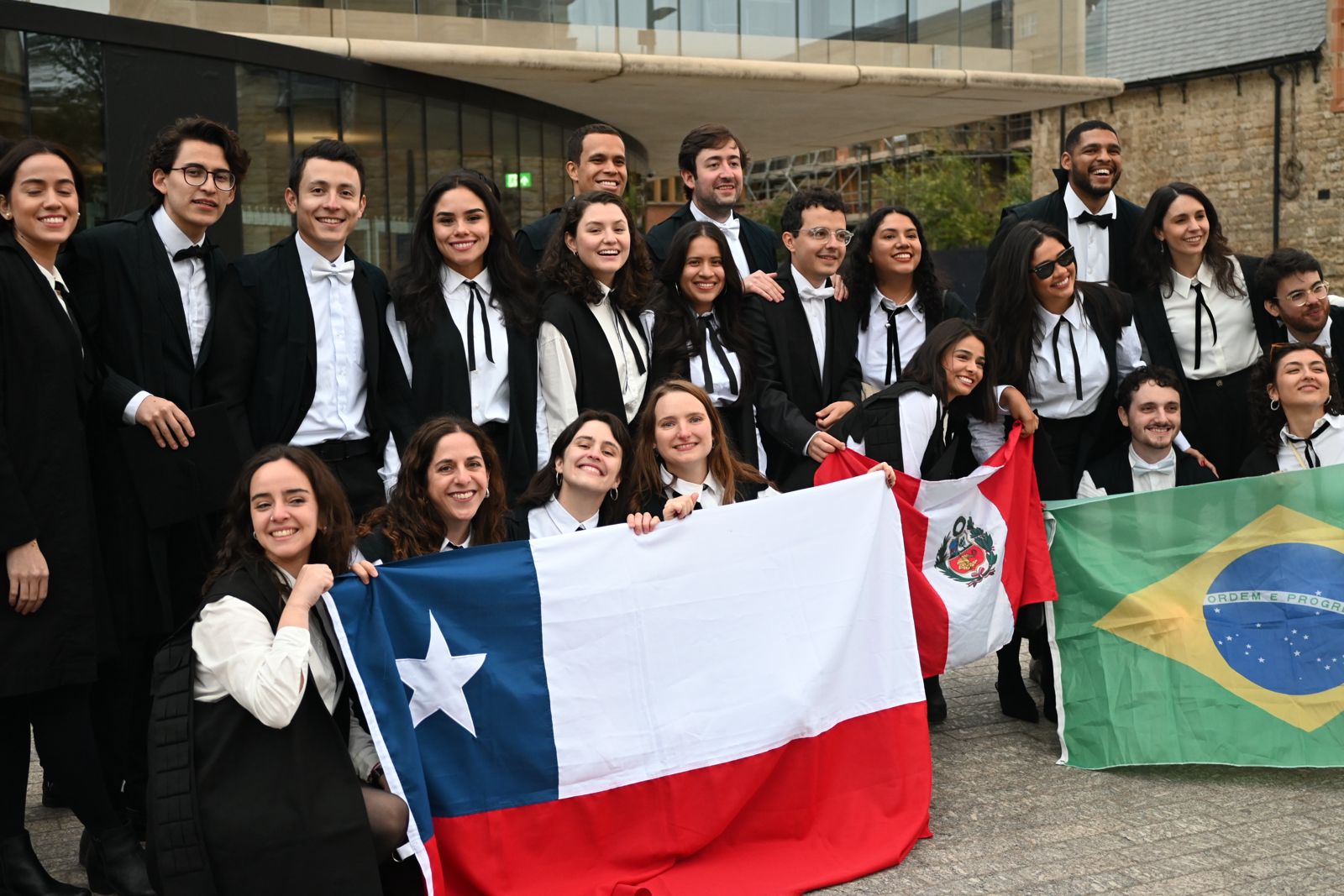
Outside the classroom, Trinidad has built strong networks with other education policy professionals though the Social Policy Cluster. “It brings together students and faculty interested in areas like education, health and housing policy. It’s both faculty-led and student-led, which creates a really collaborative environment. The cluster organises events, roundtables and speaker sessions, and it also helped connect me with initiatives like the What Works Hub for Global Education.”
As a Luksic scholar, Trinidad has also been able to connect with a wider network of MPP alumni working across government and civil society in Chile.
“I’m extremely grateful for the opportunity the scholarship gave me, not only to study at Oxford, but also to become part of a network of people committed to public service.”
This summer, Trinidad will complete her policy report placement at Impact Hub in Madrid. “I’m especially excited to gain more hands-on experience in implementation work and being closer to the ‘last mile’ of policy delivery.”
Long term, she plans continue her work improving the education system in Chile. For those interested in education policy, she has some advice. “Stay connected to the field. Policymakers need to understand the realities teachers, parents and students experience every day. Good systems are built when people feel ownership over the solutions. And don’t lose hope – public service can be difficult and frustrating, but it’s important to hold onto the belief that meaningful change is possible and that the work truly matters.”