
The Blavatnik School of Government has released its annual report, capturing highlights across research, teaching and engagement from April 2025 to March 2026.
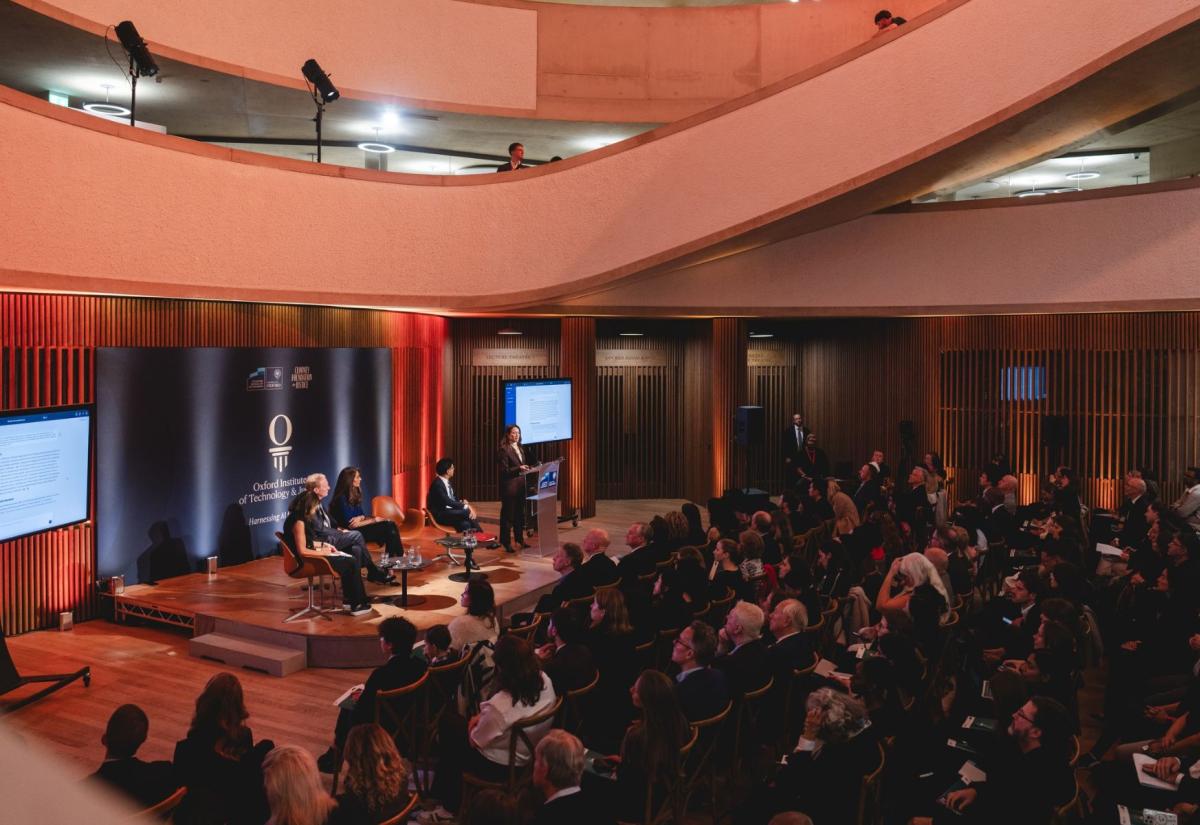
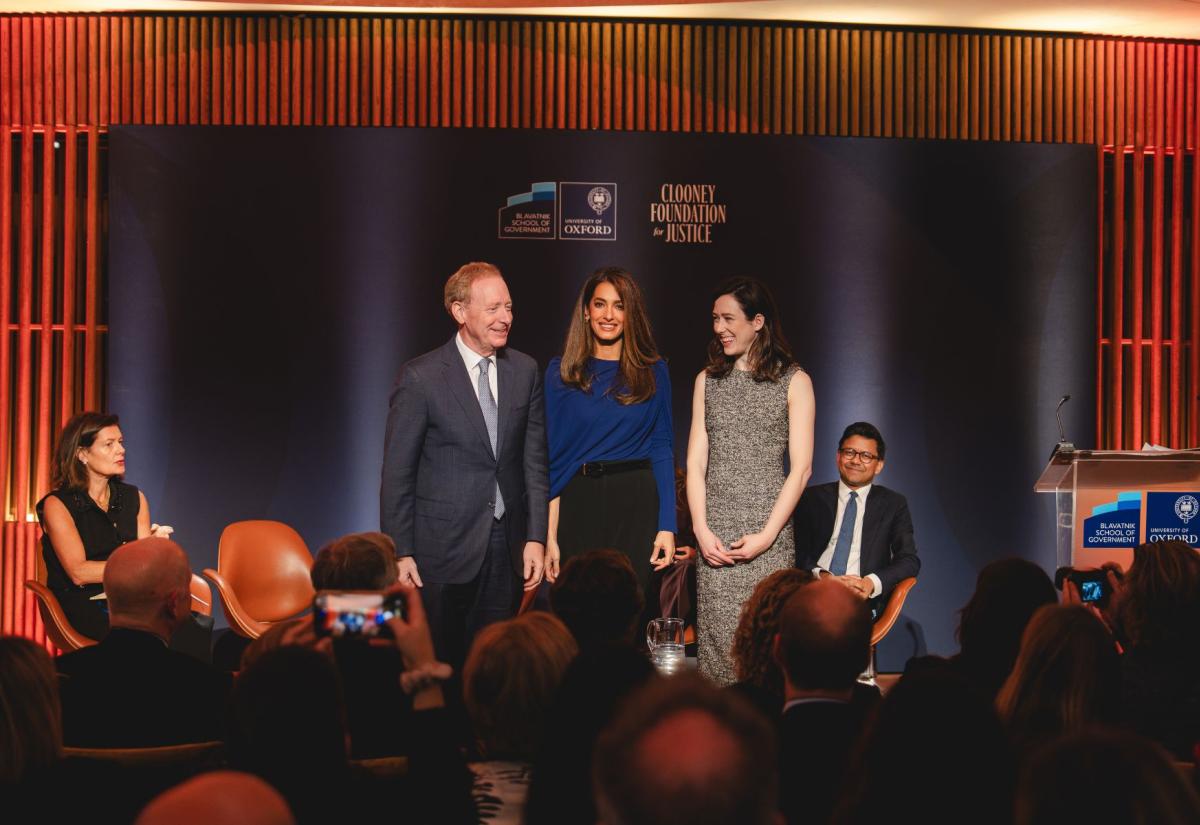
The report explores how the School’s research is shaping policy, from the Government Outcomes Lab’s work on how procurement can deliver better outcomes over ten years to the Centre for the Study of African Economies four decades of helping governments around the world hone their economic policies. The report also features the work of the Oxford Institute of Technology and Justice[link], which is helping lawmakers navigate the opportunities and challenges created by emerging technologies, as well as increasing access to justice through the use of technology.
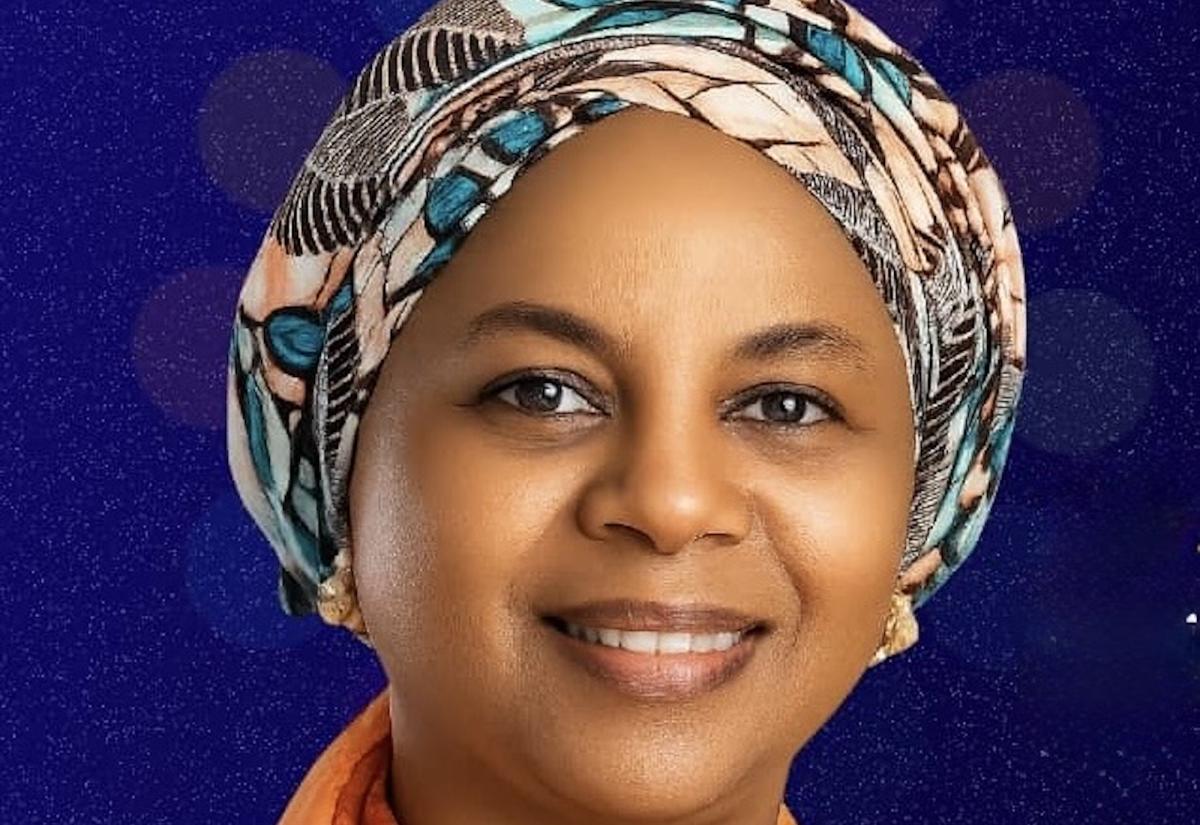
The report delves into perspectives and ideas that our faculty bring to their research and teaching. Interviews with Ẹniọlá Ànúolúwapọ́ Ṣóyẹmí, Senior Research Fellow in Political Philosophy and Public Policy, and Pepper Culpepper, Blavatnik Chair in Government and Public Policy, showcase ways of rethinking democracy and the forces shaping it. A profile piece on Sir Paul Collier, Professor of Economics and Public Policy and a founding member of the Blavatnik School, celebrates his career, achievements and contributions “to make this School a place for people, students, governments and thinkers from all different disciplines”, as Dean Ngaire Woods puts it in a vote of thanks.
The report also reflects the School's growing global community. This year, 141 students from 63 countries joined the Master of Public Policy programme, bringing diverse perspectives and experiences to Oxford. Thanks to the generosity of donors, 76% of students received full scholarships and a further 11% received partial funding, ensuring that talented future leaders can study at the School regardless of financial circumstances. New awards, including the Blavatnik Scholarship for Greece and the Sultan of Selangor MPP Scholarship for Malaysia, further strengthen this commitment.
Our alumni remained deeply engaged, with more than 480 alumni contributing their time, expertise and talent to support students, fellow graduates and the wider School community. Meanwhile, our executive programmes go from strength to strength training current public leaders around the globe.
The year also marked another significant milestone: ten years since the opening of the School's award-winning building, a hub for teaching, research and public dialogue.
Reflecting on the year, founding Dean Ngaire Woods said:
“Together, these elements shape a School that is outward-looking, practical and focused on preparing leaders for an increasingly complex world, alongside world-class research to guide them. As we reflect on how far we’ve come since 2015, we do so with a clear recognition that the challenges ahead will require not only expertise, but also collaboration, critical thinking and a sustained openness to change.”