Mental disorders are among the top 10 leading causes of health loss worldwide: in 2023, 15% of the world’s population experienced mental disorders and 17% of the total years lived with disability in the world were due to mental disorders. Anxiety, depression and psychosis rank as the most burdensome disorders across all age groups and locations, and 71% of this global burden could be avoided if all people with these disorders accessed optimal treatment.
Join Andrea Cipriani, Professor of Psychiatry, University of Oxford, in conversation with Alan Stein, Director of the Children and Climate Initiative, Blavatnik School of Government, as he discusses how living evidence synthesis is transforming mental health research and accelerating the development of more effective treatments.
In mental health science, there has been frustratingly slow process in developing new treatments, as well as in predicting which treatments will work for whom and in what contexts. To intervene early and deliver optimal care to patients, we need to understand the underlying mechanisms of mental health conditions, develop safe and effective interventions that target these mechanisms, and improve our capabilities in timely diagnosis and reliable prediction of symptom trajectories.
Better synthesis of existing evidence is one way to reduce waste and improve efficiency in research towards these ends. The Global Alliance for Living Evidence on aNxiety, depressiOn and pSychosis (GALENOS) is funded by Wellcome and tackles the challenges of mental health science research by cataloguing and evaluating the full spectrum of relevant scientific research including both human and preclinical studies in living systematic reviews. GALENOS also allows the mental health community—including patients, carers, clinicians, researchers, funders and policy makers—to better identify the research questions that most urgently need to be answered and accelerate discovery science into effective new interventions.
Illustrative examples from GALENOS and its new strategic collaboration with the Blavatnik School of Governance will be presented.
Andrea Cipriani
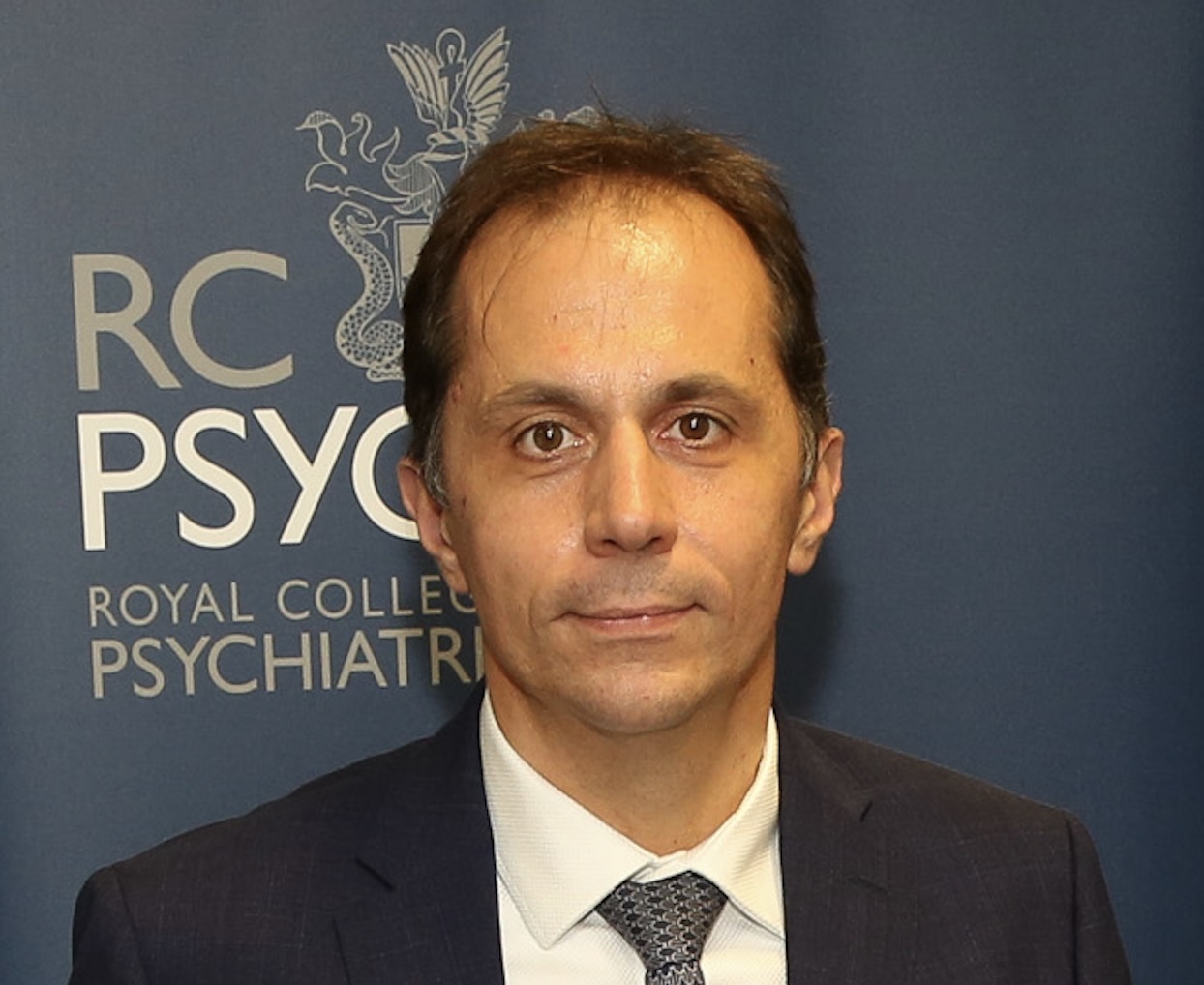
Andrea Cipriani is Professor of Psychiatry and NIHR Research Professor at the Department of Psychiatry, University of Oxford, Honorary Consultant Psychiatrist and Clinical Lead of the Bipolar Disorder Research Clinic at Oxford Health NHS Foundation Trust. His main interest in psychiatry is evidence-based mental health, and his research focuses on the evaluation of treatments in psychiatry, mainly major depression, bipolar disorder and schizophrenia. His research in the methodology of evidence synthesis has now a specific focus on data science and precision mental health, trying to assess the validity, breadth, structure and interpretation of innovative statistical and machine learning approaches to better inform the decision-making process between patients and clinicians and personalise treatment in routine clinical care (PETRUSHKA Trial). Professor Cipriani is currently the Director of the NIHR Oxford Health Clinical Research Facility, Director of the Global Alliance for Living Evidence in Depression, Anxiety and Psychosis (GALENOS Project), Lead of the Oxford Precision Psychiatry Lab and Editor-in-Chief of BMJ Mental Health.