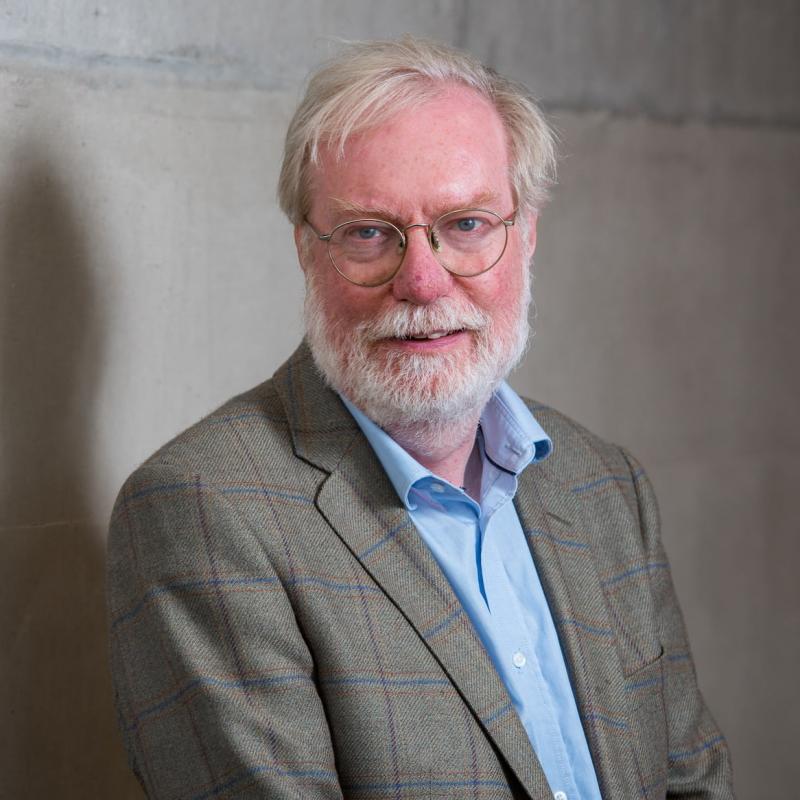
Professor of Economics and Public Policy at the Blavatnik School, Sir Paul Collier is a leading British economist known for his research on development, poverty, and the political economy of low-income countries.
Paul’s work focuses on why some nations remain trapped in conflict and poverty, and how policies, governance, and international action can support sustainable development. He is known for influential books such as The Bottom Billion and The Future of Capitalism, which combine economic analysis with practical policy insights, and his most recent book Left Behind: A New Economics for Neglected Places. He has advised governments and international organisations on development strategy, migration, and post-conflict recovery.
This event brings together friends, colleagues and former students to reflect upon Paul’s body of work, and to explore the issues he has spent his career addressing.
We are now at capacity for in-person attendance. You are still welcome to join us online. Thank you for your understanding.
Agenda
Please note the agenda may be subject to change. All times shown in GMT.
| 17:30-17:40 | Welcome remarks by Professor Ngaire Woods |
| 17:40-18:00 | Address by Professor Paul Collier |
| 18:00-18:45 | Panel discussion: Beyond Economics Professor Paul suggests that for decades, Britain’s Treasury has been guided by stale economic ideas, and society has paid the price. In this panel, a moral philosopher critiques past policy priorities, and three economists diagnose the Treasury’s challenges and offer a more hopeful pathway forward:
|
| 18:45-19:30 | Panel discussion: Applying Economics to People in Communities Life-chances for young people growing up in England are exceptionally unequal, driven by characteristics that should not matter. In this panel, a social activist confronts current social realities, and three economists expose the post-code lottery: uniquely in Europe, young people’s life-chances depend heavily on the region in which they grow up. It needn’t be like this, and panellists show how it could be done better.
|
| 19:30-19:40 | Closing remarks by Professor Sir Charles Godfray |
| 19:40 | Drinks reception |