
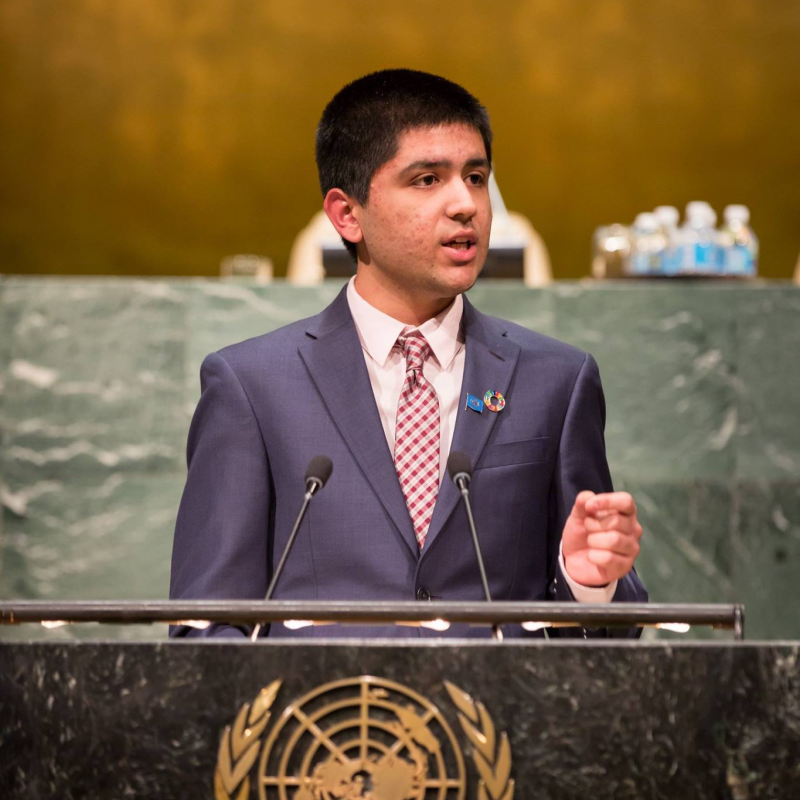
“Leadership is not measured by electoral survival”: Shoaib Rizvi interviews former Governor David Beasley on hunger, conflict and moral courage
The former Governor of South Carolina and Executive Director of the World Food Programme reflects on removing the Confederate flag, confronting extremism and using the Nobel Peace Prize to press world leaders to act before hunger turns to catastrophe.
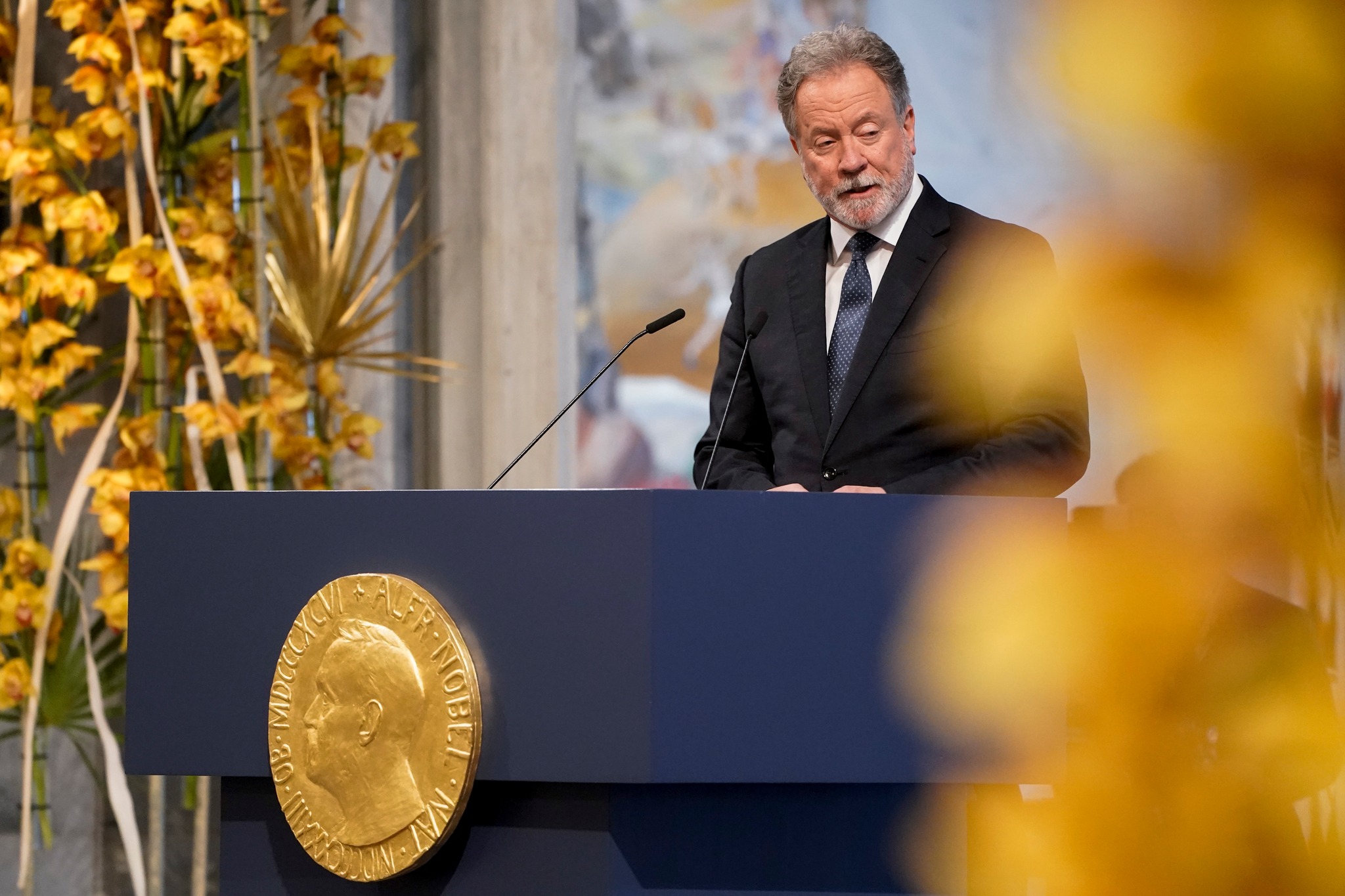
As governor of South Carolina, you led through periods of racial tension and high-profile hate crimes. What lessons did you learn about leading in a deeply polarised society?
Leadership in a deeply polarised society begins with restraint. In moments of crisis, particularly those shaped by race and violence, the first obligation is to establish the facts before speaking. The temptation is to respond quickly. A responsible leader does the opposite, lowering the temperature and grounding any response in facts, justice and mercy.
As governor of South Carolina, we confronted racial crises, including Ku Klux Klan activity, church burnings, and cases of police violence against Black citizens. These were not abstract debates. They were immediate and deeply felt.
Leadership is not about amplifying the loudest voices. To do so is to surrender the moral centre. I established a Commission on Racial Relations to bring people together, identify causes, and pursue practical solutions, with the aim of strengthening the fabric of the state.
The most difficult decision of my governorship was calling for the removal of the Confederate flag from above the State House. It was controversial. I received death threats, and it cost me the office. But leadership is not measured by electoral survival. It is measured by whether one acts when the moment requires it.
On the night of my defeat, I asked three questions. Did we do what was right? Did we act when it mattered most? Did we seek unity rather than division? The answer to each was yes.
Years later, after the Emanuel AME Church massacre and the North Charleston police shooting, the pain was immense. Yet the state did not fracture as many feared. That resilience had been built over time.
Leadership is long-term work. You plant seeds knowing you may not see them grow. Winning elections is temporary. Strengthening civic character endures.
You have walked through war zones where children were dying not because the world lacked food, but because it could not reach them. When you look back on those moments, how much of that suffering was the result of political decisions, and what does it mean for world leaders when hunger itself becomes a weapon of war?
When you sit in the chair of a president or prime minister, the pressures are constant. Priorities compete for attention, and leaders focus on what feels most immediate. Food insecurity rarely rises to the top of the agenda unless it is made unavoidable.
I sought to make it unavoidable, framing hunger as a moral issue, grounded in evidence and urgency. I visited war zones and fragile regions, then carried those realities directly to decision makers in Washington, London, Berlin, and Ottawa. The argument had to be clear, and the consequences of inaction impossible to ignore.
In Ukraine under Vladimir Putin, and in areas controlled by ISIS, Al Qaeda, and other extremist groups, the pattern is consistent. Supply chains are disrupted. Food and medicine are withheld. Access is restricted. Hunger becomes leverage. In parts of northern Africa, extremist groups recruited by feeding desperate communities when no one else would. It was deliberate.
That strategy intensified with Russia’s invasion of Ukraine, long a breadbasket of the world. Ukraine produced enough food to feed 400 million people. The disruption was immediate. Grain shortages spread and fertiliser prices surged. The impact fell first and hardest on the most vulnerable.
I urged President Putin to allow food shipments through the port of Odesa. That effort helped lead to the Black Sea Grain Initiative, stabilising supply and easing global prices. For countries on the brink, that stability meant the difference between survival and catastrophe.
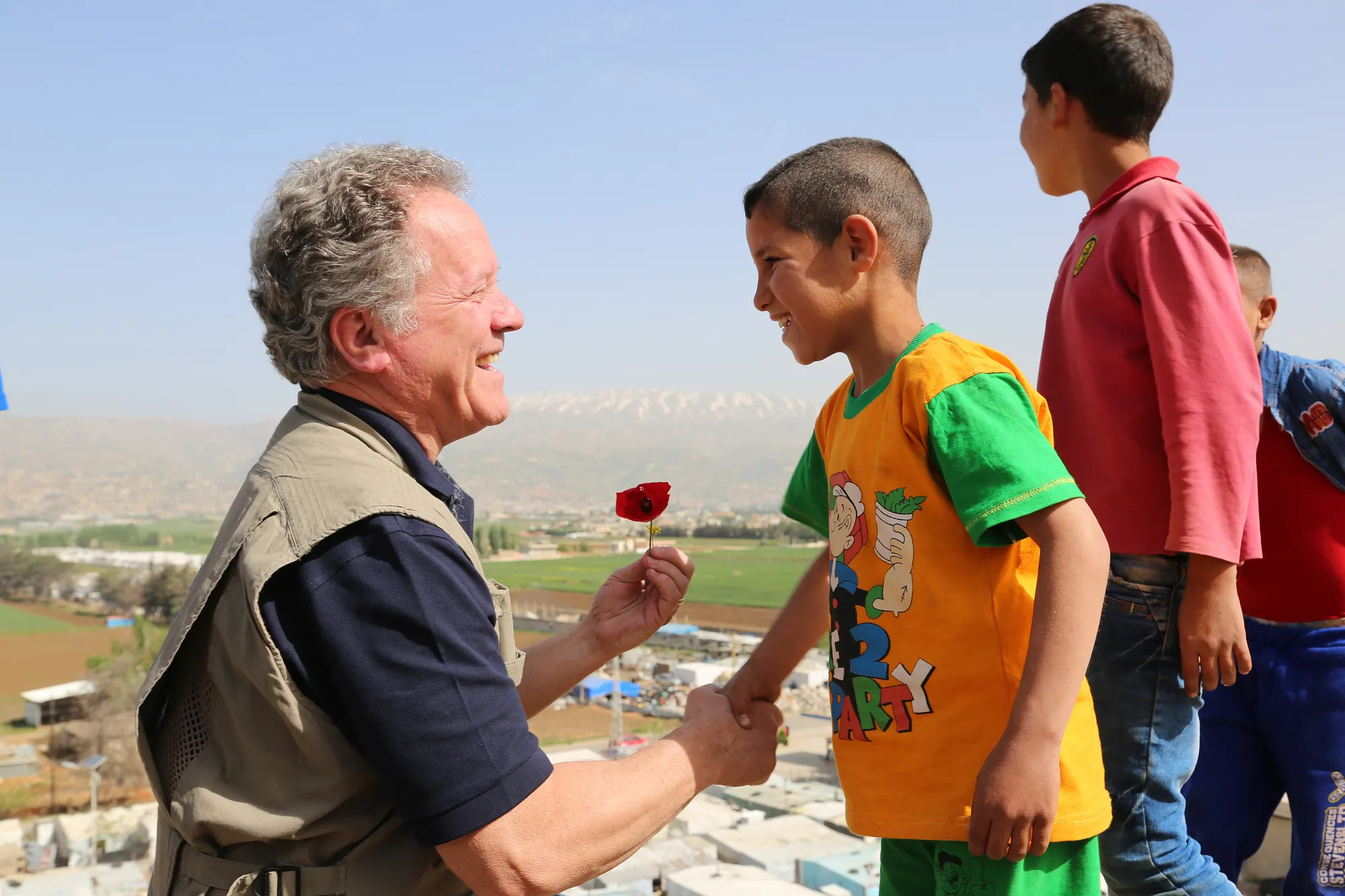
You advocated on hunger with unusual bluntness, naming governments, conflicts, and failures that others preferred to euphemise. Was that candor instinctive, or did it emerge from a point where diplomacy felt morally insufficient?
Candor was both instinct and experience. Public service teaches you to navigate complexity, read leaders, and measure your words.
I believe in being direct. Do not play games. Do not hide behind rhetoric. Speak plainly.
In conflict zones, I was tough on all sides. In Yemen, I was as firm with the coalition as with the Houthis. I did not care which side they were on. If children were denied food because of war or politics, I said so and acted to stop it.
In private, I told leaders it was not personal. It was about access and accountability. If they failed to act, I would state the facts publicly. Not to shame, but to force change.
I met with North Korean officials, Nicolás Maduro, the Houthis, and the Taliban because they controlled access to people in need. Aid cannot be delivered from a distance. If they control the gates, you go through them.
In Afghanistan, I told the Taliban I did not have the resources to reach every child in need. If restrictions doubled operating costs, I would shift resources elsewhere. That would mean more Afghan children would die. I asked for access without regard to politics or ethnicity.
In Venezuela, when aid was blocked, I met Maduro and his advisers. I told them we were not there for politics or intelligence. We were there to feed people. Donors were ready to help, but only if food reached civilians.
In Yemen, when the Houthis diverted food to their fighters, I suspended programmes and confronted them. They backed down, and operations resumed under tighter controls.
These are not safe places. But when the choice is risk or a child going hungry, the answer is simple.
In 2020, under your leadership, World Food Programme won the Nobel Peace Prize, gaining global visibility during COVID-19 amid unprecedented strain. How did that recognition change your access to global leaders and shape the way you advanced WFP’s mission during the crisis?
Access changed overnight. Doors that once required persistence opened. Heads of state who were hard to reach began calling us.
The message did not change. The stakes did. As supply chains fractured and famine loomed, the Prize cut through the noise and forced attention on food security.
The world was facing the worst hunger crisis in decades. The Prize became leverage, unlocking emergency funding, protecting humanitarian corridors, and keeping hunger at the centre of decision making.
It underscored a hard truth. Hunger is not charity. It is stability. When food systems fail, societies fracture, displacement rises, and extremism follows.
The numbers are decisive. Germany absorbed roughly one million refugees from Syria over five years at a cost of about 125 billion dollars, nearly 70 dollars per person per day. Inside Syria, we can deliver food for about 50 cents per person per day. Early action is far cheaper than managing collapse.
That case holds across political lines. In Texas or Bavaria, the question is the same: why spend abroad when needs at home are urgent?
The answer is clear. Compassion should be enough. But even when it is not, self interest should be. Preventing hunger reduces migration, stabilises regions, and lowers the risk of conflict. The Prize gave us reach. We used it to drive action before crisis became catastrophe.
You described your role at the World Food Programme as translating human suffering into terms leaders would act on. You raised more than $55 billion, an unprecedented sum, including $14.2 billion in your final year, more than double the roughly $6 billion when you took over. When moral urgency meets bureaucratic inertia, what does leadership demand, and what must future leaders understand about driving change within imperfect systems?
Leadership in a multilateral system demands clarity, pressure and resolve.
First, abandon bureaucratic language. Acronyms fill reports, but they do not move governments. People do. In Washington, persuading a United States senator meant making a case that could travel beyond a briefing room, something a voter might repeat at a kitchen table. In a distracted world, arguments that fail to reach the heart rarely reach the budget. At the United Nations, I was advised to sound like the system. I chose clarity over jargon. Within a year, others followed.
Second, fight for flexibility. Leadership requires friction. I often said I wanted to put the World Food Programme out of business, not as rhetoric, but as a measure of success. Food aid can keep people alive. It can also keep them dependent. Resilience, water systems, irrigation, local agriculture offers something harder and more durable. In Niger, nearly 80 percent of villages where we invested this way did not need aid after the next shock. That is not charity. It is strategy. It saves lives and public money. Still, funding arrives boxed inside narrow mandates, rewarding delivery over durability. Leadership means forcing the system to outgrow its own habits.
The cost of that insistence is real. In an interview with Scott Pelley on 60 Minutes, he told me I had the best job in the world. I told him the truth. I do not think about the children we saved. I think about those we could not reach. There were days defined by impossible arithmetic, deciding who would eat and who would not. In a village reduced to rubble in Syria, a child still steps forward, dust on their face, waiting without knowing for what. Not a statistic. That child is someone’s son, someone’s daughter. That is what stays with you.
I think of Beba in Chad. When wells and irrigation came, she did not ask for charity. She asked for a chance. Two years later, her community was feeding itself, selling surplus, buying medicine. She paid for her son’s wedding. That is what change looks like when it lasts.
My advice to future global leaders is simple. Speak plainly. Link moral urgency to strategic interest. Demand flexibility. Never lose sight of the individual behind the numbers. Institutions are imperfect. With clear, relentless leadership, they can still move mountains.