

Inside the Iran–US negotiations: leverage, risk and zones of agreement
Mohammed Alharthi (MPP 2025) examines how regional dynamics and power politics are shaping the prospects and risks of diplomacy in the Iran-US negotiations.
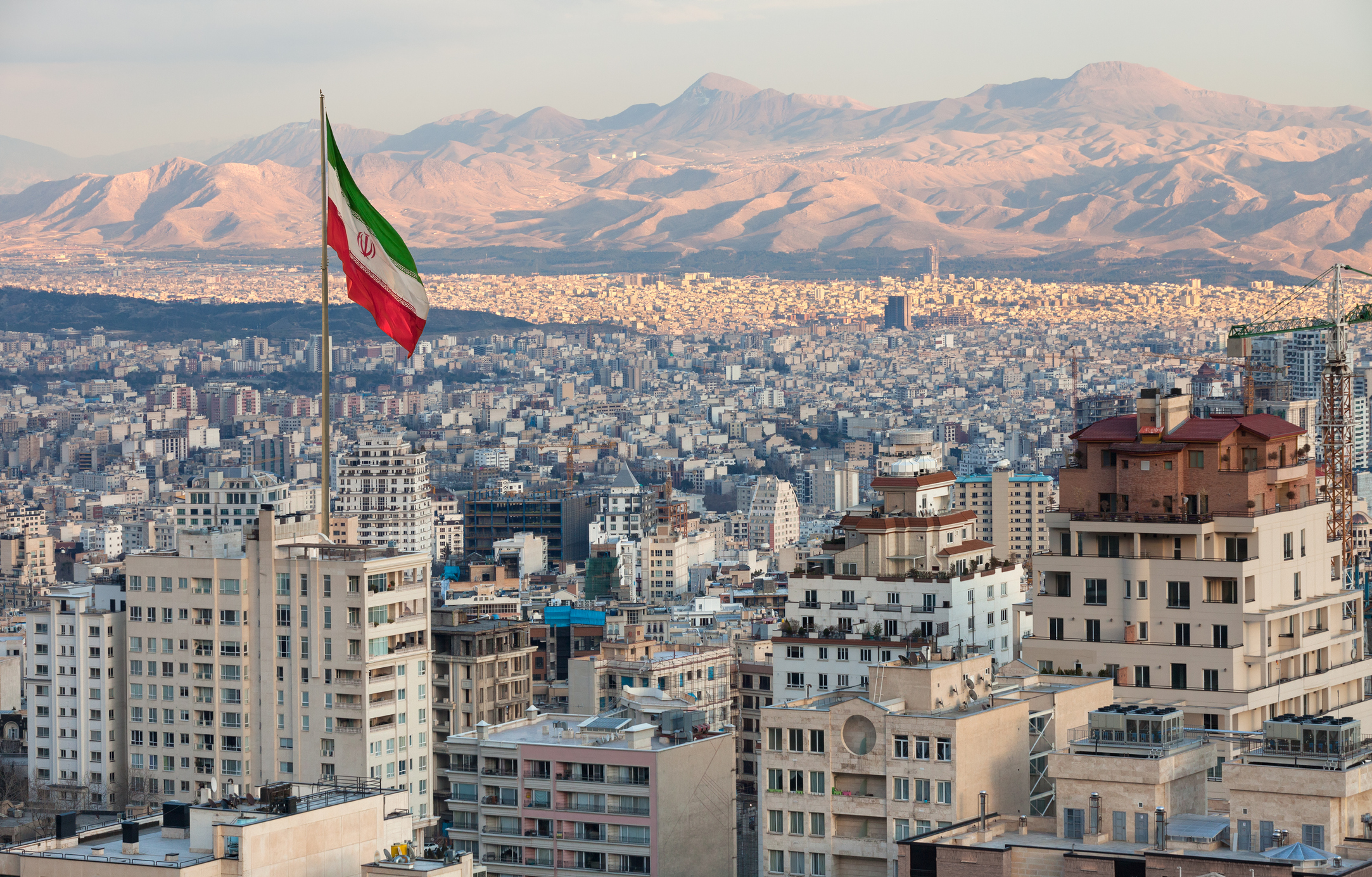
There is a version of diplomacy measured not in words, but in 100,000 tonnes of steel, a tactic currently on display in the Gulf and Arabian Sea, an ‘armada’ led by the USS Abraham Lincoln carrier strike group, alongside destroyers, missile-defense systems, and other assets, to invite Iran to reconsider its position while negotiations remain unresolved.
This has unfolded after months of unprecedented anti-government protests in Iran and years of an intermittent maximum pressure campaign, with sanctions by the first and second Trump administrations aimed to coerce the Iranian regime into concessions.
What is at stake for each side?
There are three contentious issues: (i) the nuclear program, (ii) ballistic missiles, (iii) Iran’s support for regional proxies, the armed groups and militias across the Middle East that Iran funds, arms, and backs politically.
The rhetoric on negotiation from both sides seems as far away from agreement as possible. Both American and Iranian representatives have been maximalist in their public demands, normal in such high-stakes negotiations.
The US has outlined that talks should include not only uranium enrichment - the process of treating nuclear material so it can be used for power generation or, if taken further, for weapons - but also limiting range for ballistic missiles, halting the support of regional proxies, and commitments on the treatment of Iranian protests.
The Iranians insist on limiting the scope of the negotiation to the nuclear issue and have reluctantly signaled some room for concessions on enrichment, despite an intent to preserve a degree of enrichment itself. Indeed, the nuclear issue is where compromise is most likely. However, Iran does not ideally want to concede on the other elements; the Iranian Foreign Minister labeled them as “impossible things”. The ballistic missiles' existence and range, specifically, is most likely a red line for the Iranian regime as one of the very few tools for the regime to deter foreign threats. In the absence of innovative ways to assure the regime's security from foreign threats - and justifiably the lack of interest by stakeholders such as Russia, China, or even regional partners, in arranging that - the regime is unlikely to compromise its ballistic missile capabilities.
What’s the likelihood of a deal?
The seemingly divergent demands do not mean a deal is impossible. One issue likely to be successful on the negotiation table is Iran’s support for armed groups. Following the events of 7 October 2023, this proxy network has been weakened. The Iranian regime would need resources that only sanctions relief could provide to revive its network of allied groups, giving the US important leverage. With the current domestic economic crisis, the regime has incentives to focus on allocating resources inward, not outward, to survive. Given their sanction leverage, the US is well advised to refrain from treating the lifting of sanctions as binary, as all-or-nothing.
Assuming the rationality of the regime - a debatable assumption necessary for the following line of argumentation - Iran’s options if talks fail appear unfavourable compared to a possible deal, given the credibility of the threat that the deployment of the US ’armada’ brings. The regime is in pursuit of survival, and a no-deal scenario may cut off a lifeline. If there is no deal, US military strikes could accelerate the fate of the regime but also cause significant - and possibly lingering - instability in the region. The Iranian regime has little to no incentive to reject a plausible deal.
The prospect of a deal, however, is highly reliant on what President Trump deems acceptable. Trump is likely weighing on his personal legacy, given it was his decision to pull the US out of a 2015 nuclear deal with Iran that was concluded under the Obama administration and that many in the region deemed negligent. Trump has a direct interest in signing a deal only if it passes the baseline of the 2015 deal. Another factor shaping the plausibility of a deal from the US perspective is who whispers in Trump’s ear: Israel, seeking a maximalist deal or a strike and hoping for regime change, or the rest of the region, seeking to constrain Iran through a political solution.
The Israeli government is unlikely to support a deal that does not include limiting the range of ballistic missiles. In this sense, there is no overlap between what Israel and Iran would accept. The Israeli government’s role is significant not simply because of their sway over the US administration, or potential to deter votes if it gets to Congress; it is also because they may unilaterally spoil any negotiation progress if it does not align with their definition of success. In fact, they have a precedent of doing just that. A strike by the Israelis can undermine already shaky Iranian trust in the negotiations' intent, set back progress, and embolden factions within Iran’s Revolutionary Guards seeking confrontation over compromise. This is particularly worrisome given the potential that the far-right Israeli government may view the option of striking Iran as more favorable than any deal.
On the other hand, the US allies in the region - minus Israel - knows very well that a plausible deal with Iran is a favorable outcome, if a strike on Iran is the alternative. Attacking Iran can lead to both tactical losses of retaliatory instability and strategic losses from a possible civil war with its spillovers and disruptions of the regional balance of power. It is difficult to shake off the parallels with the 2003 US invasion of Iraq, especially when the current Israeli prime minister is one of the invasion’s instigators. The regional concern is especially relevant at a time when threat perception shifts have taken place following the Israeli attack on Doha, a Gulf capital, in September 2025, and the growing apathy toward Palestinians among elements of the Iranian public, raising concern for the alliances of a post-regime Iran. Major regional actors are propping up a collective regional voice to keep the US position on the path of non-military solutions.
The impact for the region
The issues at stake affect multiple countries and millions of people. In 2015, President Obama pursued a deal despite strong regional opposition. Today, Iran’s weakened position and broad regional support for diplomacy mean Trump faces far less resistance from allies. If Trump insists on a deal that he can credibly portray as stronger than the deal struck by Obama, there may now be a narrow but real space for agreement between Washington, Tehran, and most of the region.
So long as this negotiation does not lead to a regional war–a grave but very real risk–the region will find a way of living with a post-negotiations Iran, and its consequences. If disaster is avoided, it will be yet another day in the Middle East.
This article was written on 10 February 2026.